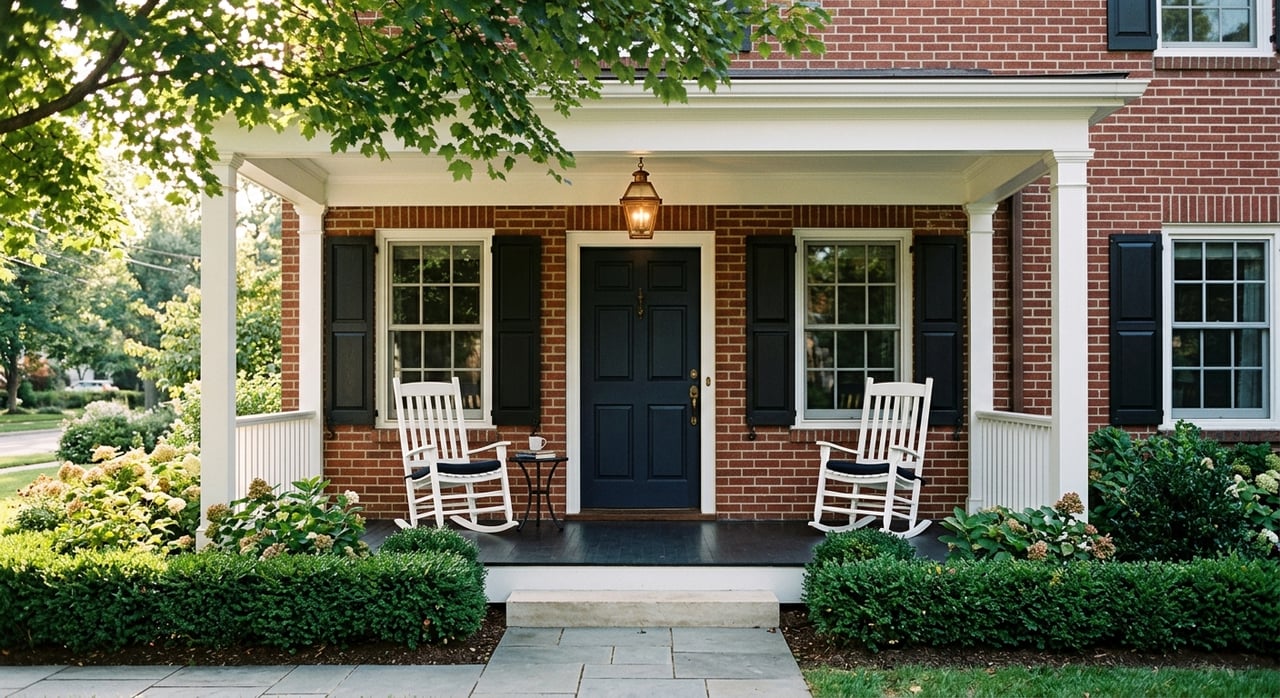
Wondering what day-to-day life actually feels like in Kirkwood and Webster Groves? If you are comparing St. Louis County communities, it helps to look past home listings and think about how you would spend a regular Tuesday, a Saturday morning, or a quiet evening close to home. Both places offer a historic, tree-lined setting with strong local identity, but they move at slightly different rhythms. Here’s what everyday life looks like in each, and how to tell which one may fit you best.
Kirkwood and Webster Groves at a glance
Kirkwood and Webster Groves share a lot of surface appeal. Both are established St. Louis County communities with mature trees, historic roots, local businesses, and active civic calendars. In both places, daily life tends to center on neighborhood institutions rather than large commercial corridors.
The difference is in how that lifestyle is organized. Kirkwood feels compact, rail-centered, and downtown-first, while Webster Groves feels more residential, district-based, and arts-forward. That distinction shapes everything from errands and dining to weekends and community events.
What everyday life feels like in Kirkwood
Kirkwood was founded in 1853, and its rail history still gives the city a strong sense of place. The historic train station remains a recognizable centerpiece, and the downtown business district is listed on the National Register of Historic Places. That history is not just background. It still influences how the city feels and functions.
On a typical weekday, Kirkwood has a more compact rhythm than many suburban areas. Downtown Kirkwood describes itself as a 16-block district with more than 100 specialty shops and restaurants, so many daily stops can happen in one walkable area. If you like the idea of a single, recognizable town center, that is a big part of Kirkwood’s appeal.
The city also leans into civic life. The train station is volunteer staffed, and Coffee with the Mayor takes place monthly. Kirkwood has also been a Tree City USA community for more than 30 years, which fits the shaded, well-established feel many people notice right away.
Kirkwood errands and routines
In Kirkwood, everyday errands often stay local. You can picture a routine that includes grabbing coffee, browsing a few shops, meeting someone for lunch, and taking care of small weekend tasks without leaving the downtown area. That convenience gives the community a more connected, neighborhood-scale feel.
The Kirkwood Farmers’ Market is one of the clearest examples of that rhythm. The market draws neighbors and visitors on Saturday mornings to shop, eat, and connect, with live music from 10 a.m. to noon. The 2026 season also includes a Night Market on Argonne, adding another local gathering point after hours.
Dining in Kirkwood is varied and approachable. Downtown options include cafés, diners, pizza, French food, Mexican food, and Chinese or Asian choices. The broader point is not any single restaurant. It is that food, shopping, and events all sit within the same historic downtown footprint.
Kirkwood parks and outdoor time
Outdoor life is a real part of the Kirkwood routine. The city owns 14 parks covering about 326 acres, and Kirkwood Park is the standout anchor with 88 acres. It includes an aquatic center, ice rink, outdoor amphitheater, ball fields, tennis courts, picnic sites, and playground areas.
That variety gives weekends a park-forward feel. Depending on the season, your routine might include pool time, skating, a concert, or a simple walk under the tree canopy. The city’s forestry materials even describe Kirkwood as the Green Tree city, reinforcing how much landscape and stewardship matter here.
Kirkwood weekends and community events
Kirkwood weekends often feel concentrated and easy to picture. You might start with the farmers market, spend time downtown, and then head to a concert or festival later in the day. The compact layout helps the whole experience feel tied together.
The calendar is especially active for a city with one main downtown district. Current city and downtown listings highlight events such as the Route 66 Cars & Guitars Festival, the Station Plaza Summer Concert Series, the Greentree Festival, monthly Coffee with the Mayor gatherings, Holiday Walk, and the first Kirkwood Festival of Trees set for November 2026. If you enjoy a strong town-center atmosphere, Kirkwood delivers that in a very direct way.
What everyday life feels like in Webster Groves
Webster Groves has a different layout and personality. The city grew out of five railroad-era communities that merged in 1896, and that history helps explain why daily life feels more distributed. Instead of one dominant downtown, Webster Groves points residents toward several historic business districts, including Old Webster, Old Orchard, and Crossroads.
That district-based pattern gives Webster a more residential and layered feel. The city emphasizes tree-lined streets, walkable neighborhoods, and historic business districts, so local life tends to unfold across several nodes rather than one central hub. If you like having multiple neighborhood centers with their own character, Webster Groves may feel especially natural.
Access also plays into the daily rhythm. The city notes that two MetroLink stations are minutes away and that there is quick access to I-44. For some residents, that can make moving around the broader region feel convenient while still keeping home life rooted in a distinctly local setting.
Webster Groves errands and dining
In Webster Groves, errands often feel mixed into the residential grid rather than separated into large retail zones. Shopping and dining are tied to neighborhood business districts, which helps everyday life feel more local and less corridor-driven. That can make even simple routines feel more connected to the community around you.
Dining is an important part of Webster’s identity. The city announced its first official Green Dining District in spring 2025, and current city materials indicate a cluster of nine to ten Green Dining Alliance-certified restaurants. That group includes independent spots such as Bagel Union, Balkan Treat Box, Beignet All Day, Big Sky Café, Bijoux Handcrafted Chocolates, Madrina, Maypop Coffee & Garden Shop, Olive & Oak, and Telva at the Ridge.
The weekly farmers market reinforces the same neighborhood-scale pattern. According to the city, it runs from April through October and features local meat, bakery items, and produce. For many buyers, that kind of routine says a lot more about lifestyle than a list of amenities ever could.
Webster Groves parks and arts
Webster Groves combines outdoor access with a strong arts presence. The city lists 21 parks totaling more than 120 acres, and Memorial Park serves as a major recreation hub with the water park, fields, tennis courts, and city recreation facilities. The Deer Creek Greenway adds a roughly 2-mile trail option to the mix.
Smaller parks also play a visible role in neighborhood life. Gazebo Park anchors the Old Orchard area and hosts concerts and movies on select Friday evenings in June and July. Webster Groves has also been a Tree City USA community since 1983, which matches the shaded residential feel the city highlights.
Arts and culture are another defining piece of Webster’s everyday character. The city points to Webster University, The Repertory Theatre of St. Louis, Opera Theatre of St. Louis, and the Community Music School as part of its local identity. If you enjoy a community where performances, public events, and creative institutions are woven into the calendar, Webster Groves stands out.
Webster Groves weekends and traditions
Webster Groves weekends tend to feel broader and more district-spread than Kirkwood’s. Rather than one central downtown schedule, the city’s event calendar stretches across different neighborhoods and public spaces. That gives the community a more varied, multi-center energy.
City event listings highlight the Webster Art Fair, the Old Webster Jazz & Blues Festival, and the Old Orchard Gazebo Series. Community Days is a major annual tradition, with the 2026 parade scheduled for July 4 and fireworks planned at Memorial Field. Add in the weekly farmers market and a steady mix of arts and neighborhood festivals, and the result is a lifestyle shaped by regular local gatherings throughout the year.
How to choose between Kirkwood and Webster Groves
If you are deciding where you may feel most at home, the clearest difference is how each place organizes daily life. Kirkwood offers a stronger single-center experience. Webster Groves offers a more distributed neighborhood experience.
Here is a simple way to think about it:
- Choose Kirkwood if you want: a compact downtown rhythm, a rail-centered identity, and a community where the train station, farmers market, parks, and events all connect to one main hub.
- Choose Webster Groves if you want: a more residential feel, several historic business districts, and a lifestyle shaped by arts, neighborhood events, and multiple local centers.
Neither is a one-size-fits-all answer. The better fit depends on whether you picture your routine around one walkable downtown or around several neighborhood districts with different gathering places.
For buyers who care about character, local institutions, and the long-term feel of a community, both Kirkwood and Webster Groves offer a strong sense of place. If you want help comparing homes, blocks, and day-to-day lifestyle in these St. Louis County communities, The Warner Hall Group can help you make a thoughtful, informed move.
FAQs
What is everyday life like in Kirkwood, Missouri?
- Everyday life in Kirkwood tends to center on its compact downtown, historic train station, local shops and restaurants, farmers market, parks, and a steady calendar of community events.
What is everyday life like in Webster Groves, Missouri?
- Everyday life in Webster Groves is more district-based, with walkable neighborhoods, historic business districts, weekly markets, arts institutions, parks, and community events spread across several local hubs.
Is Kirkwood or Webster Groves more walkable for daily errands?
- Kirkwood has a more concentrated, downtown-first pattern for errands, while Webster Groves spreads daily activity across multiple neighborhood business districts.
Does Kirkwood or Webster Groves have more community events?
- Both have active calendars, but Kirkwood’s events feel more centered around one downtown area, while Webster Groves’ events are broader and spread across different districts and public spaces.
What makes Kirkwood different from Webster Groves for homebuyers?
- Kirkwood is best understood as compact, rail-centered, and downtown-focused, while Webster Groves is more residential, arts-forward, and shaped by several historic neighborhood districts.