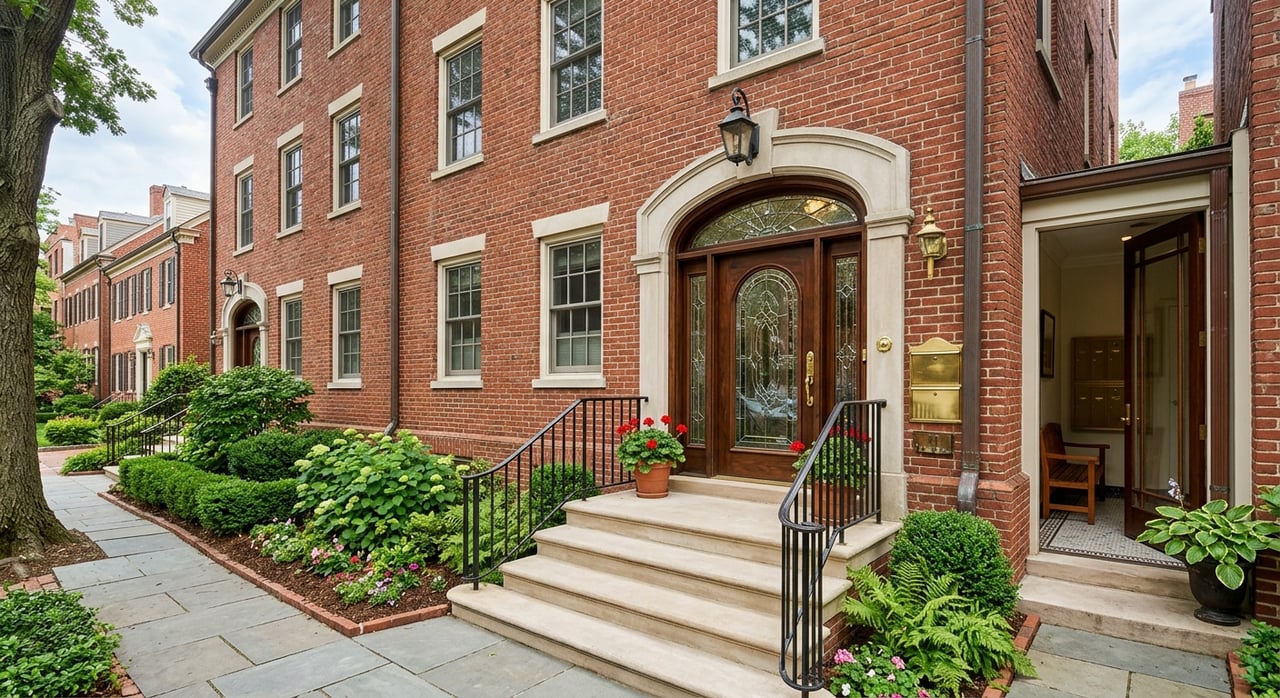
Buying a condo in the Central West End is about more than the unit itself. In a neighborhood known for residential buildings, historic character, and shared building systems, the condo association can shape your monthly costs, renovation options, and day-to-day experience long after closing. If you want to make a confident purchase, reviewing the association carefully is one of the smartest steps you can take. Let’s dive in.
Why the association matters in Central West End
In the Central West End, many condo decisions extend beyond your front door. The City of St. Louis describes the area as primarily residential, with apartments and flats, and parts of the neighborhood fall under historic district standards that regulate exterior work.
That matters because exterior maintenance, repair timing, and approval procedures can affect both your budget and your plans. If a building has masonry issues, aging windows, or balcony repairs on the horizon, the association’s planning and finances become just as important as the unit’s finishes.
Start with the Missouri resale certificate
In Missouri, a resale certificate is not just a nice extra. State law requires it before contract execution or conveyance, and it should give you a detailed snapshot of the association.
This package should include key documents and disclosures, such as:
- The declaration
- The bylaws
- Rules and regulations
- Monthly assessments
- Unpaid common expense or special assessments
- Other fees
- Anticipated capital expenditures for the current and next two fiscal years
- Reserve amounts for capital expenditures
- The most recent balance sheet and income-and-expense statement
- The current operating budget
- Any unsatisfied judgments and pending suits
- Insurance information
- A statement about alterations that may violate the declaration
- Any remaining leasehold term, if applicable
This is one of the most useful tools you have as a buyer. It helps you understand what you are buying into before closing, not after.
Read the declaration closely
The declaration is one of the most important association documents because it defines what belongs to you, what belongs to the association, and what restrictions apply. It should spell out unit boundaries, limited common elements, development rights, and restrictions on use, occupancy, and transfer.
In Missouri, many exterior items that serve a single unit, including balconies, patios, exterior doors, and windows, are often treated as limited common elements unless the declaration says otherwise. That can have a real impact on who pays for future repairs or replacement.
If you are considering a Central West End condo in a historic building, this detail matters even more. A window replacement or exterior door repair may involve not only cost allocation questions, but also approval and historic district requirements.
Review the bylaws and rules like a future owner
The bylaws explain how the association operates. They should cover the board structure, officer roles, election and removal procedures, delegation to managers, and how the bylaws can be amended.
Missouri also requires at least one association meeting each year, with notice rules for special meetings. As a buyer, that tells you the association should have a basic structure for governance and communication.
Just as important, review the rules and regulations with your actual lifestyle in mind. Pay special attention to anything that affects:
- Leasing
- Pets
- Renovations
- Use of balconies or patios
- Move-in and move-out procedures
- Occupancy-related restrictions
Missouri law allows associations to impose late charges and, after notice and an opportunity to be heard, reasonable fines for violations of the declaration, bylaws, and rules. In other words, the rules are not just background reading. They can affect your costs and flexibility.
Evaluate reserves and future projects
A condo association budget tells you how the building operates today. Reserve disclosures and capital project planning help you see what may be coming next.
Missouri requires associations to disclose anticipated capital expenditures for the current and next two fiscal years, along with reserve amounts for capital expenditures, in the resale certificate. This is where you can start testing whether the building seems prepared for major work.
Ask practical questions such as:
- How much is currently in reserves?
- What projects are scheduled in the next two years?
- Have there been any recent special assessments?
- Are more special assessments being discussed?
- Does the reserve balance appear realistic given the age and condition of the building?
If the numbers feel thin compared with the scale of expected work, that deserves a closer look. In many Central West End buildings, major shared systems like roofs, facades, elevators, boilers, chillers, and masonry can be expensive to maintain.
A current reserve study or engineer’s report can also help you judge whether the disclosed figures match reality. While Missouri does not separately require those reports, asking for them is a practical next step.
Look at who maintains what
Missouri law generally makes the association responsible for maintenance, repair, and replacement of the common elements, while each unit owner is responsible for the unit unless the declaration says otherwise. That sounds simple, but in condo living, the details matter.
In the Central West End, buyers should pay close attention to any exterior feature connected to the unit. Windows, balconies, patios, and exterior doors may not be handled the way you assume.
Before you move forward, make sure you understand:
- Which items are unit responsibilities
- Which items are limited common elements
- Which items the association maintains or replaces
- Whether the declaration clearly addresses exterior components
This is one of the easiest places for confusion to turn into unexpected expense.
Understand the historic district impact
Historic district rules are a major part of the Central West End condo conversation. The City of St. Louis states that exterior changes in the Central West End Historic District require review under district standards, and a Cultural Resources Office permit is required for any exterior change, even when no building permit is otherwise required.
The standards also emphasize retaining original materials and matching replacements when deterioration makes replacement necessary. For condo owners and associations, that can affect the cost, scope, and timing of exterior projects.
That is why you should ask how the board handles historic district review for work such as:
- Window replacement
- Exterior door replacement
- Balcony or railing work
- Masonry repair
- Roof or façade changes visible from the exterior
A well-run association should be able to explain its process clearly. In a historic setting, administrative organization is not a small detail. It is part of protecting both the building and your investment.
Check the insurance picture
Insurance is another area where the association’s choices matter. Missouri requires condo associations to maintain property insurance on the common elements and liability insurance, to the extent reasonably available.
For buildings with horizontal boundaries, the property policy should also include the units to the extent reasonably available, though owner-installed improvements and betterments do not have to be included. Missouri law also sets an 80 percent actual-cash-value floor for required property coverage after deductibles.
As you review the resale certificate, ask:
- What insurance coverage does the association carry?
- What are the deductibles?
- Are there any pending claims?
- Are owner improvements excluded from the association policy?
This will help you understand where the association’s coverage ends and where your personal policy may need to begin.
Review delinquencies, lawsuits, and judgments
Not every red flag shows up in a monthly fee amount. Sometimes the bigger issues are behind the scenes.
The resale certificate must disclose unpaid assessments, unsatisfied judgments, and pending suits. Chronic delinquency can put pressure on the association’s cash flow, while active litigation or judgments can point to future uncertainty or added expense.
You do not need to assume every lawsuit is a deal breaker. But you do want a clear picture of whether the building has recurring financial stress, governance problems, or unresolved disputes.
Ask for records that show how the building is run
Missouri requires association financial and other records to be made reasonably available to unit owners and their authorized agents. For buyers, that means it is reasonable to ask for recent budgets, meeting materials, and supporting records through the seller or association.
These materials can help you answer simple but important questions. Does the board communicate clearly? Do meeting records show a thoughtful approach to repairs and spending? Are the same issues coming up again and again without resolution?
A strong association is usually not perfect. But it is typically organized, transparent, and able to explain its decisions.
Common warning signs to watch for
When you evaluate a Central West End condo association, a few issues deserve extra caution.
Watch for signs such as:
- A delayed or incomplete resale package
- Repeated special assessments
- Reserve balances that do not appear to match upcoming capital needs
- Unclear responsibility for windows, balconies, doors, or other exterior items
- Active litigation or unsatisfied judgments
- Chronic assessment delinquency
- Vague answers about historic district approvals or exterior project planning
None of these automatically ends the conversation. But each one is a reason to slow down, ask better questions, and understand the risk before you close.
A smart condo review protects your purchase
The best Central West End condo buildings are not only attractive. They are also well documented, financially organized, and realistic about maintenance, insurance, and historic district requirements.
When you review the declaration, bylaws, budget, reserves, insurance, and records together, you get a much clearer view of what ownership may look like. That kind of diligence can help you avoid surprises and choose a building that fits your goals.
If you are considering a condo in the Central West End and want a thoughtful second set of eyes on the building, documents, and long-term maintenance picture, The Warner Hall Group can help you evaluate the details with care.
FAQs
What documents should you request for a Central West End condo association review?
- You should request the Missouri resale certificate and review the declaration, bylaws, rules and regulations, budget, reserve information, financial statements, insurance information, and any disclosures about unpaid assessments, litigation, or judgments.
Why do reserves matter when buying a Central West End condo?
- Reserves help show whether the association appears prepared for major shared expenses like roof work, masonry repair, elevators, boilers, chillers, or façade projects, which can be especially important in older or historic buildings.
Who pays for windows and balconies in a Missouri condo association?
- It depends on the declaration. In Missouri, items like balconies, patios, exterior doors, and windows often count as limited common elements unless the declaration says otherwise, so you should confirm responsibility in writing.
How do historic district rules affect Central West End condos?
- In the Central West End Historic District, exterior changes require review under local standards, and a Cultural Resources Office permit is required for any exterior change, even if no building permit is otherwise required.
What are red flags in a Central West End condo association?
- Common warning signs include an incomplete resale package, repeated special assessments, low reserves relative to upcoming projects, unclear maintenance responsibility, chronic delinquencies, and pending litigation or judgments.