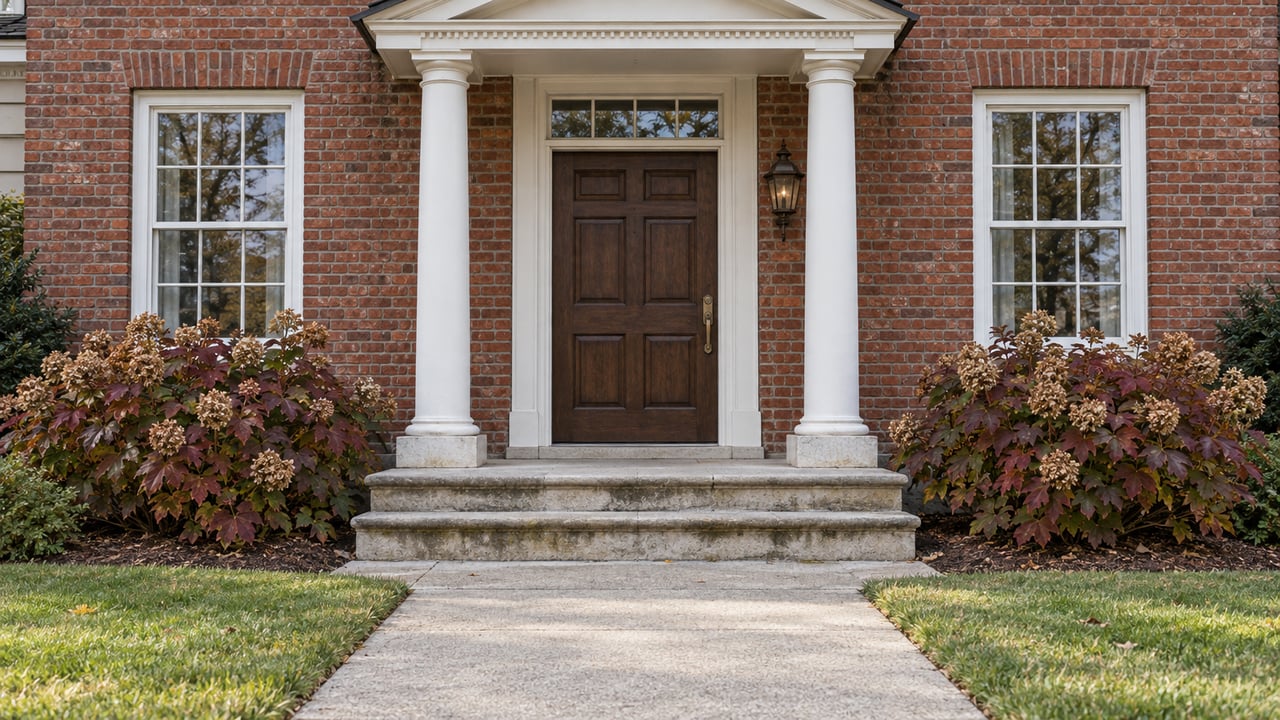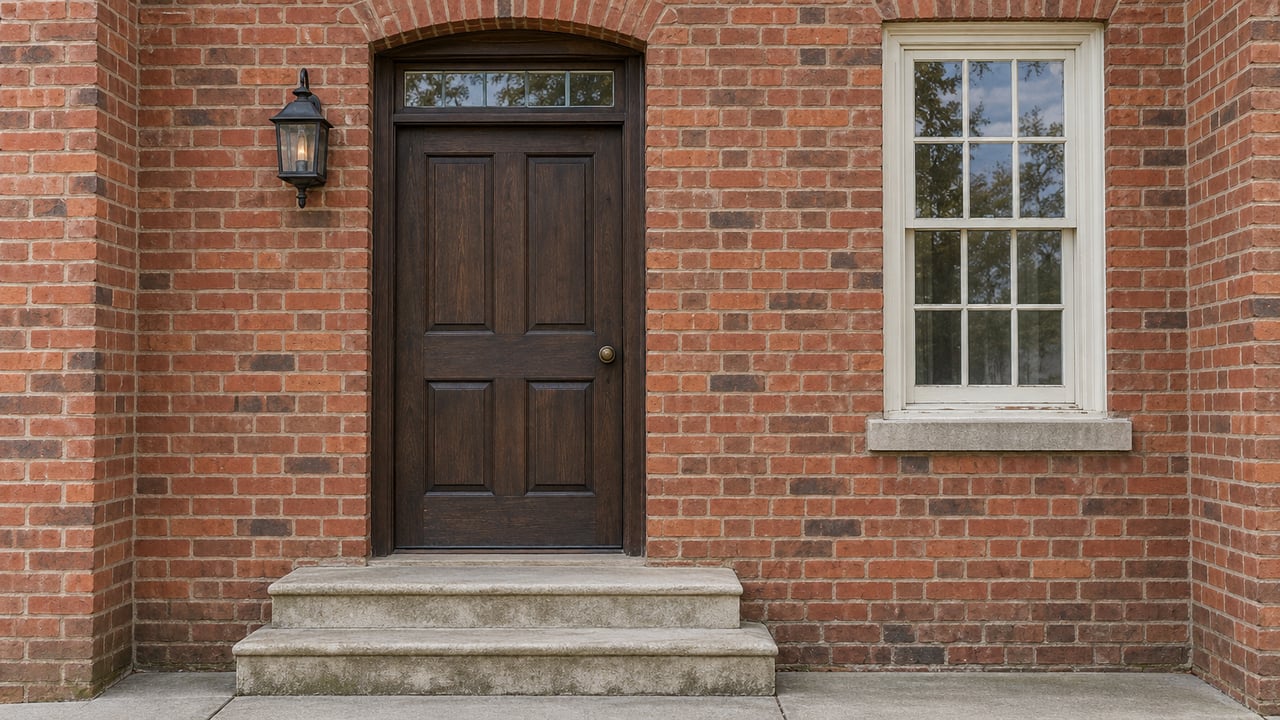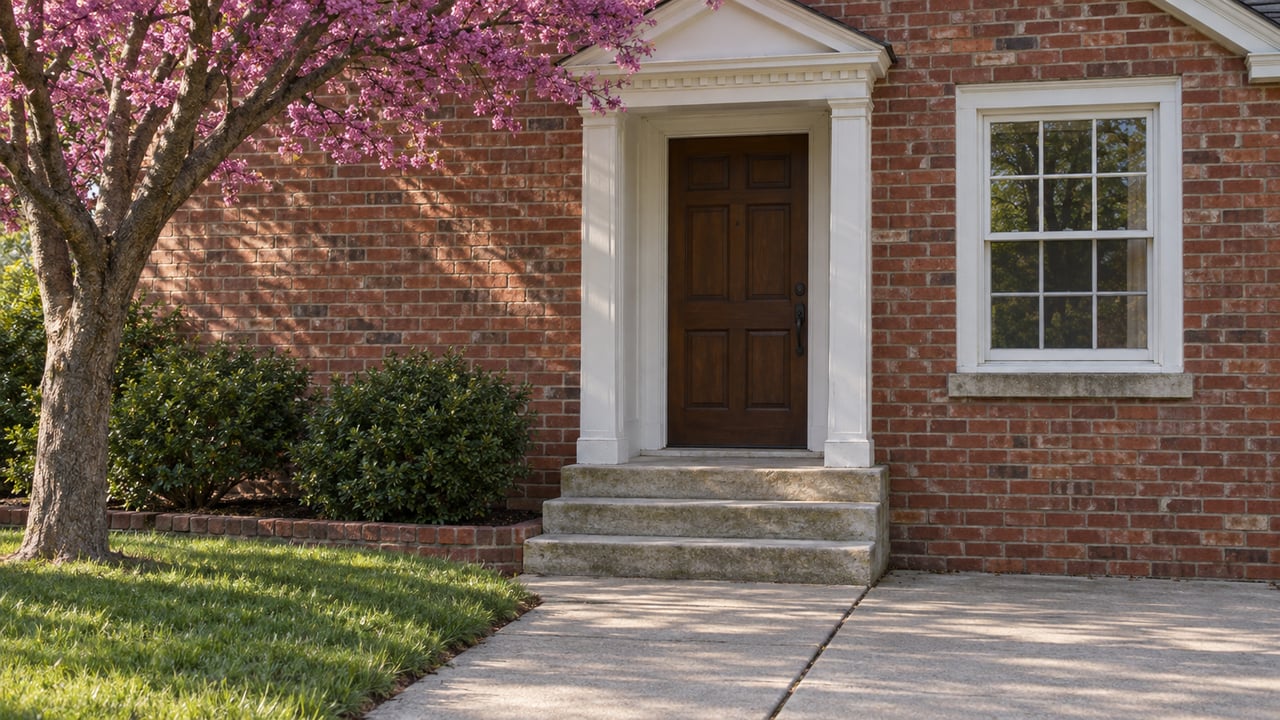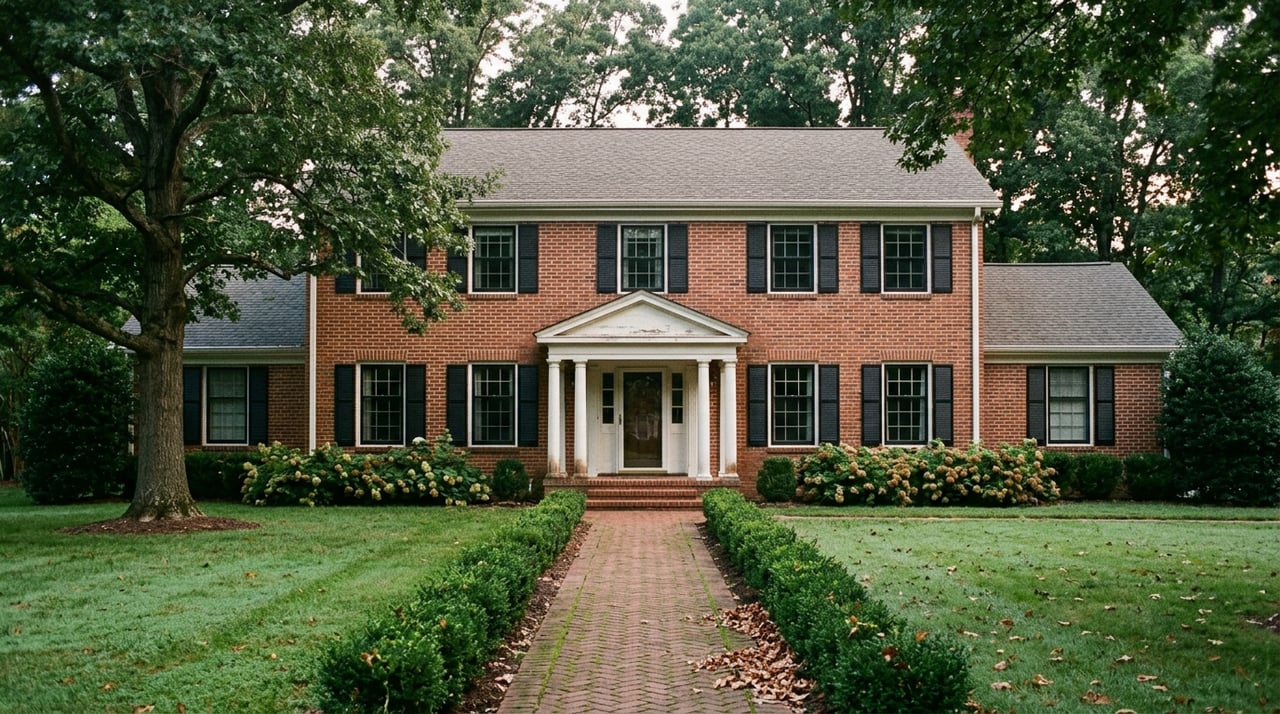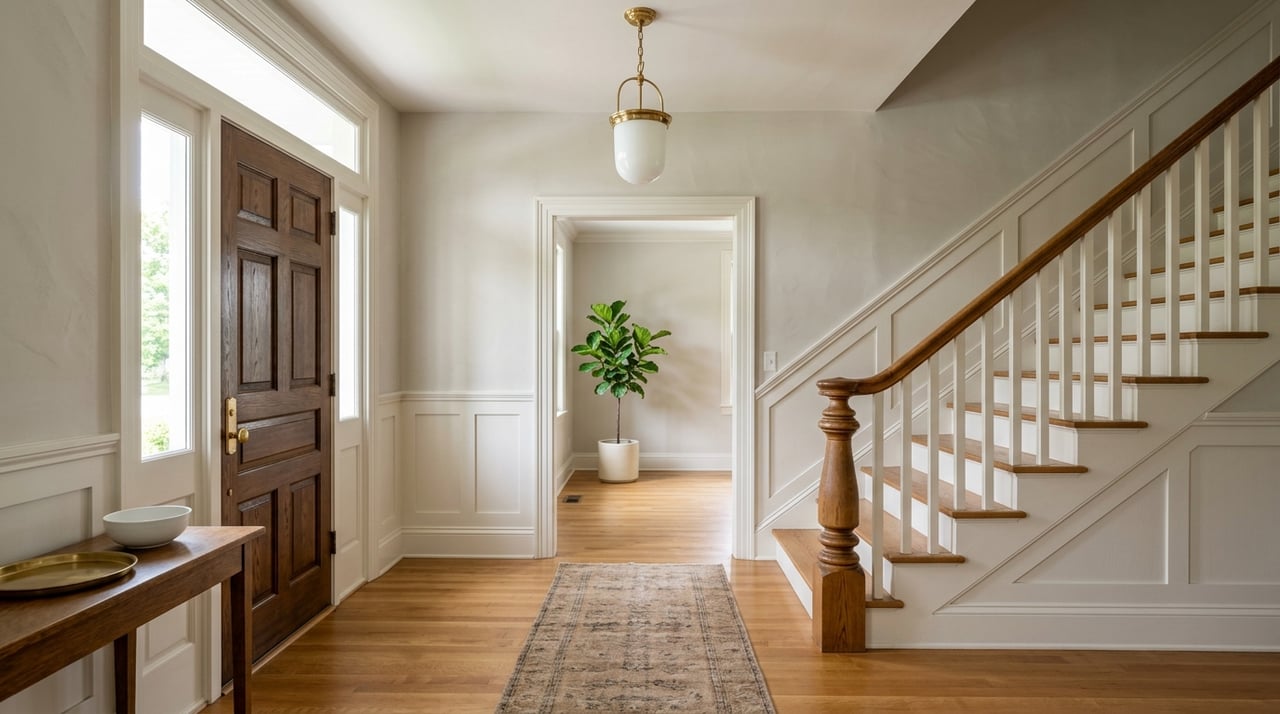
If you own a historic home in Clayton, you are not just selling square footage. You are selling character, craftsmanship, and a story that today’s buyers can feel the moment they walk in. In a market where presentation and pricing discipline matter, the right pre-sale plan can help you protect that story while improving your final result. Here’s how to prepare a historic Clayton home for a top-dollar sale without stripping away the details that make it special.
Why prep matters in Clayton
Clayton is a selective, high-value market. Redfin’s February 2026 market data described Clayton as very competitive, with a median sale price of $719,950 and a 97.9% sale-to-list ratio.
That kind of market rewards homes that feel move-in ready, well cared for, and appropriately priced. For a historic property, buyers often notice both the charm and the maintenance signals, so thoughtful preparation can make a meaningful difference.
Start with Clayton’s review rules
Before you replace windows, remove landscaping, change hardscape, or alter exterior finishes, check the city’s review process. According to Clayton Planning and Development Services, the Architectural Review Board evaluates many exterior modifications, and owners are encouraged to contact the city before choosing a contractor.
That matters because even work that seems simple can affect timing and scope. Routine painting may not require a permit, but a change in exterior color or style still needs approval through architectural or administrative review.
You should also verify whether your property falls under Clayton’s Residential Historic Preservation framework. If it does, preservation rules may shape what you can change before listing, so it is smart to confirm that status early.
Preserve first, replace last
Historic homes usually bring the best response when their defining details remain intact. The National Park Service preservation standards emphasize preserving distinctive materials, finishes, and craftsmanship whenever possible, while minimizing replacement.
That approach is practical as well as aesthetic. Buyers shopping for a historic Clayton home are often paying for original character, so preserving what makes the home feel authentic can support stronger interest than a generic, all-new look.
If something truly must be replaced, the new material should closely match the old in design, color, texture, and overall appearance. The NPS guidance on substitute materials makes clear that substitutes are most appropriate when original materials are not reasonably feasible.
Focus on repairs buyers can see
Not every improvement deserves your money before listing. In most historic homes, the best return comes from visible repairs that reassure buyers the property has been carefully maintained.
Windows deserve special attention
Historic windows are often better candidates for repair than replacement. The National Park Service notes that repair feasibility can often be tested with sample work, and performance may be improved with storm windows, weatherstripping, and repairs to glazing and sash.
That is especially important in a historic Clayton sale. Original windows often contribute heavily to the home’s appearance, and replacement windows generally do not pay for themselves in a reasonable time according to the same NPS guidance.
Masonry issues should move up the list
If your home has older brick or stone, deteriorated mortar should not be ignored. The NPS preservation brief on repointing masonry explains that proper repointing can restore both visual and physical integrity, while improper work can damage the masonry units themselves.
For buyers, visible cracking, failing mortar, or patchy repairs can raise concerns fast. For sellers, careful masonry repair is often one of the clearest ways to improve confidence and curb appeal.
Water management comes before cosmetics
A fresh lamp or stylish staging piece will not offset signs of moisture trouble. The National Trust for Historic Preservation recommends practical maintenance steps like repairing caulk at windows and doors, keeping gutters and downspouts working properly, and keeping aggressive vegetation away from the structure.
In other words, deal with the basics first. Buyers tend to respond better when the home looks dry, sound, and protected from avoidable wear.
Highlight the details buyers love
Older homes often win buyers over through authenticity. Realtor.com’s coverage of older-home staging points to original hardwood floors, crown molding, stained-glass or original windows, pocket doors, vintage light fixtures, fireplaces, and wainscoting as major selling points.
Your goal is to make those details visible, not compete with them. That might mean removing bulky furniture, simplifying decor, or refinishing surfaces that are hiding craftsmanship.
Wood floors deserve particular attention. The National Trust notes that restoring original wood floors can add value because buyers appreciate flooring they will not need to replace after moving in.
At the same time, damaged finishes can weaken the story. Realtor.com specifically notes that visibly damaged old tile can become a liability, even when other vintage features are attractive.
Avoid updates that erase character
The smartest historic-home prep is usually selective, not sweeping. In many cases, buyers respond best to homes that feel well maintained and usable, not over-renovated.
The National Park Service guidance on acquired significance also adds an important nuance: not every meaningful feature must be original to the home’s first day. Later changes that have acquired significance may also deserve retention.
That supports a simple rule for sellers: think in terms of character-preserving versus character-erasing. A compatible kitchen refresh or bath improvement may help, but a full gut renovation can remove the very elements that make the property stand out.
Spend where resale return is strongest
If you are deciding where to invest before listing, broad data points to visible exterior work and modest, strategic updates. Zonda’s 2025 Cost vs. Value report placed exterior replacement projects among the highest-return improvements, including garage doors, entry doors, manufactured stone veneer, and siding work, with a minor kitchen remodel also performing well.
For a historic Clayton home, the practical lesson is not to chase trends. It is to prioritize exterior repair and refresh, entry details, porch presentation, masonry and window preservation, landscape cleanup, and restrained kitchen or bath improvements when needed.
Use staging to support the architecture
Once repairs are handled, presentation becomes your next lever. According to the National Association of Realtors’ 2025 staging report, 29% of agents saw staged homes receive a 1% to 10% increase in offered value, and 49% of sellers’ agents said staging reduced time on market.
For historic homes, staging works best when it clarifies scale and flow. Buyers should be able to picture how they would live in the house while still noticing fireplaces, millwork, windows, and room proportions.
NAR also found that common seller recommendations include decluttering, deep cleaning, and improving curb appeal. The rooms with the biggest staging impact are the living room, primary bedroom, and kitchen, so those spaces deserve the most attention.
Make media part of the strategy
Historic homes are visual homes. They need photography and video that show both layout and detail, from the front entry and facade to hardware, moldings, and natural light.
That is not just a branding exercise. NAR reports that buyers’ agents see photos, videos, and virtual tours as highly important, which means your listing media can shape both first impressions and showing activity.
For a top-dollar result, your marketing package should do three things clearly: show original character, remove signs of deferred maintenance, and help buyers imagine daily life in the home.
A practical pre-listing checklist
If you want a simple way to organize your next steps, start here:
- Confirm whether your home is subject to historic preservation or exterior review requirements in Clayton
- Walk the exterior and note visible masonry, paint, trim, gutter, drainage, and vegetation issues
- Evaluate whether historic windows can be repaired and weatherized rather than replaced
- Refinish or repair original wood floors if needed
- Address visibly damaged tile or finishes that read as neglect
- Declutter rooms so original details stand out
- Focus staging on the living room, primary bedroom, and kitchen
- Invest in professional photography and video that capture both architecture and livability
- Build a pricing and prep plan that reflects Clayton’s competitive market conditions
Preparing a historic home for sale is not about making it look new. It is about making it look cared for, coherent, and true to itself. If you want guidance on which improvements are worth making, how to navigate Clayton’s rules, and how to position a character-rich property for the right buyer, Samuel Hall can help you create a thoughtful, high-impact plan.
FAQs
What repairs matter most before selling a historic home in Clayton?
- The highest-priority items are usually visible maintenance and preservation issues such as masonry repair, window repair, caulking, gutters, drainage, and vegetation control, especially when they affect buyer confidence.
Do you need city approval for exterior changes to a Clayton historic home?
- Often, yes. Clayton says many exterior modifications may require architectural or administrative review, so you should check with Planning and Development Services before starting work.
Should you replace old windows before listing a historic Clayton house?
- Not necessarily. National Park Service guidance says historic windows are often better repaired than replaced, and energy performance can often improve through weatherstripping, storm windows, and sash or glazing work.
What original features help sell an older home in Clayton?
- Buyers are often drawn to details like hardwood floors, crown molding, pocket doors, fireplaces, wainscoting, vintage light fixtures, and distinctive original windows when those features are well maintained.
Does staging help a historic home sell for more?
- It can. NAR’s 2025 report found that staging can increase offered value and reduce time on market, especially when it helps buyers understand the living room, primary bedroom, and kitchen.
What is the best renovation strategy before listing a historic Clayton home?
- In most cases, the strongest approach is targeted, preservation-minded work that improves condition and presentation without erasing architectural character.