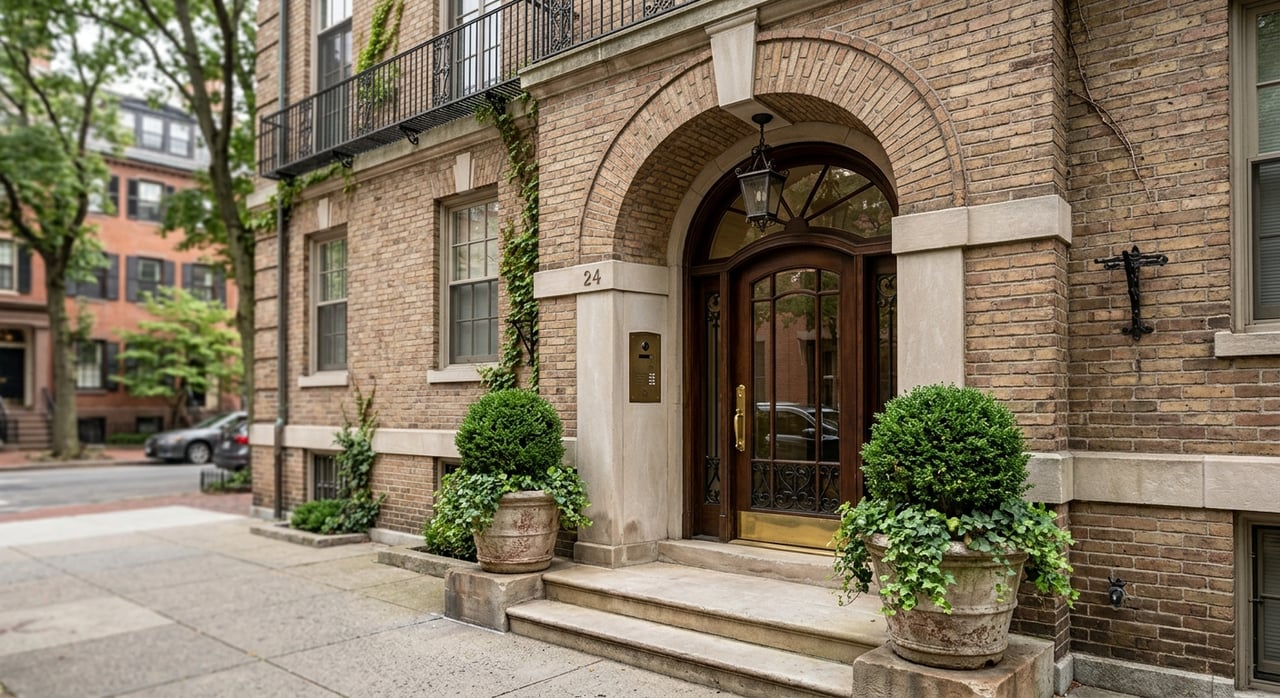
If you are drawn to the Central West End, you are probably not choosing between a good location and a better one. You are choosing between two very different ways of living in the same highly walkable, historic, amenity-rich neighborhood. Whether you picture a lock-and-leave condo or a character-filled historic home, understanding the tradeoffs can help you buy with more confidence. Let’s dive in.
Why the Central West End stands out
The Central West End, often called the CWE, is a 112-block St. Louis neighborhood just west of downtown. It is bounded by Delmar, Vandeventer, I-64, and Kingshighway and Lindell, and it has been a historic district since 1974.
The area blends residential streets, apartment buildings, flats, and large single-family homes. The neighborhood sits next to the BJC and Washington University medical campus, and it is known for its early-20th-century housing stock, much of which grew around the 1904 World’s Fair era.
For many buyers, lifestyle is a big part of the appeal. Walk Score rates the Central West End at 78, with a Transit Score of 53 and a Bike Score of 65, and the neighborhood has about 134 restaurants, bars, and coffee shops.
Forest Park is also right next door, which adds another layer of convenience and recreation. At about 1,370 acres, it offers museums, trails, golf, tennis, and other amenities, while the Central West End Metro station is the system’s busiest with more than 4,300 weekday boardings.
Central West End price ranges
The price picture in the Central West End is broad, which is one reason the condo-versus-historic-home question is so important. Realtor.com’s April 2026 neighborhood summary shows 129 homes for sale with a median listing price of $335,000 and a median 47 days on market, while Redfin’s March 2026 sold-price snapshot shows a median sale price of $400,000.
Condo pricing spans a particularly wide range. Current examples run from $167,500 for a unit on West Pine to $1.45 million for a condo on Lindell with two attached garage spaces and a higher monthly HOA.
Historic and single-family homes also cover a large spread. Recent examples include listings at $625,000 on Washington Boulevard, $699,900 on McPherson Avenue, and $2.45 million on Westminster Place.
What a condo offers in the CWE
A condo in the Central West End can be a strong fit if you want convenience, predictable shared services, and an easier day-to-day ownership experience. In this neighborhood, condo living often aligns well with professionals, frequent travelers, and downsizers who want to enjoy the area without taking on as much exterior upkeep.
One important point is that condo does not always mean newer construction. Active condo listings in the neighborhood include buildings from 1905, 1913, 1928, 2006, and 2007, so the ownership model matters just as much as the age of the building.
Condo costs to review closely
The biggest financial factor beyond the purchase price is usually the HOA fee. In current Central West End examples, monthly dues range from $255 to $1,585, and some full-service buildings can run even higher.
Those fees may cover a long list of services and amenities. Depending on the building, that can include exterior maintenance, landscaping, snow removal, water, trash, gas, internet, secured parking, a doorman, storage, a fitness center, a pool, spa, or party room.
That means a condo’s monthly cost may be more predictable, but it can also be materially higher than a buyer expects at first glance. When you compare options, it helps to look at the full monthly carrying cost, not just the list price.
Condo lifestyle advantages
The practical appeal of a condo often comes down to simplicity. Many listings include a reserved garage space, assigned parking, storage lockers, and building amenities that make everyday life easier.
That can be especially attractive in a neighborhood where parking is valuable and urban living is part of the draw. If you want to be close to dining, Forest Park, transit, and major employers while minimizing hands-on maintenance, a condo may check a lot of boxes.
What a historic home offers in the CWE
If a condo is about convenience, a historic home is often about presence, flexibility, and architectural character. The Central West End is known for its older housing stock, and buyers who love original details, larger rooms, and a stronger sense of individual property identity often gravitate toward this side of the market.
Historic homes in the neighborhood can also offer a different ownership experience. Instead of paying larger monthly dues for shared services, you usually take on more direct responsibility for upkeep, planning, and long-term maintenance decisions.
Historic district review matters
In the Central West End Historic District, exterior alterations, additions, or modifications require prior review and a permit from the City of St. Louis Cultural Resources Office. Appeals go to the Preservation Board, and the CWE Association says its Planning and Development Committee regularly reviews proposed plans for compliance with historic standards.
For buyers, that does not mean historic ownership is difficult. It does mean you should expect a more structured process if you want to change exterior features.
Historic homes need more due diligence
Because much of the neighborhood’s housing dates to the early 20th century, older homes often call for more renovation and maintenance planning than a newer property would. That can be part of the appeal if you value craftsmanship and want more control, but it is still something to approach with clear eyes.
You should also know that historic ownership does not always mean no fees at all. For example, one current Westminster Place listing shows an annual $175 fee for common-area maintenance.
Parking and mobility differences
Parking can be one of the most practical differences between a condo and a historic home in the Central West End. The neighborhood offers public parking through meters and lots, including the Argyle Garage, Euclid Lot, and Maryland Lot, and meters generally run Monday through Saturday from 8 a.m. to 7 p.m.
Still, many buyers want dedicated parking at home. Condo listings often include one reserved garage space or assigned parking, which can bring more predictability.
Historic homes may offer off-street parking, detached garages, or even carriage-house parking, but the setup is less standardized from one property to the next. If parking is high on your list, it is worth treating it as a must-review feature instead of an afterthought.
Condo or historic home: which fits you?
In the Central West End, the choice often comes down to predictability versus control. Both property types can place you in the same walkable, transit-connected, Forest Park-adjacent neighborhood. The better option depends on how you want to live once you move in.
Choose a condo if you want
- Lower day-to-day maintenance responsibility
- A lock-and-leave lifestyle
- Shared amenities and building services
- More predictable parking arrangements
- A simpler ownership structure for busy schedules
Choose a historic home if you want
- Distinctive architecture and period character
- More autonomy over your home and space
- Larger rooms or a more traditional layout
- A property with restoration or renovation potential
- A hands-on ownership experience
A smart way to compare options
When you tour condos and historic homes in the Central West End, it helps to compare them through the lens of your real routine, not just curb appeal. A beautiful historic façade or a polished lobby may catch your eye first, but your long-term satisfaction usually comes from how the home supports your day-to-day life.
A few questions can sharpen the decision:
- How often do you travel or want a lock-and-leave setup?
- How comfortable are you with maintenance and project planning?
- Do monthly HOA dues feel worth it for the services provided?
- How important are dedicated parking and building amenities?
- Do you want architectural character with more owner responsibility?
In a neighborhood with this much variety, the right choice is usually less about which category is better and more about which tradeoff suits you best. That is especially true in the CWE, where condos and historic homes can both offer strong value, strong location appeal, and a distinctive urban lifestyle.
If you are weighing a condo against a historic home in the Central West End, working with a team that understands both lifestyle fit and property nuance can make the process much clearer. For tailored guidance on architecture, renovation considerations, and the realities of buying in this part of St. Louis, request a private consultation with The Warner Hall Group.
FAQs
What is the main difference between a condo and a historic home in the Central West End?
- In the Central West End, condos usually offer easier maintenance, shared amenities, and more predictable parking, while historic homes often offer more architectural character, more autonomy, and greater owner responsibility.
What should buyers know about condo fees in the Central West End?
- Current condo examples in the neighborhood show HOA fees ranging from $255 per month to $1,585 per month, with possible inclusions such as exterior maintenance, parking, utilities, and amenity access.
What should buyers know about historic district rules in the Central West End?
- If you buy a home in the Central West End Historic District, exterior alterations, additions, or modifications require prior review and a permit from the City of St. Louis Cultural Resources Office.
Is parking easy in the Central West End for condo and historic-home buyers?
- Parking is an important factor in the neighborhood, and condos often include assigned or garage parking, while historic homes may offer off-street or garage parking but with less consistency from one property to another.
Are condos in the Central West End always newer buildings?
- No. Current condo listings in the neighborhood include buildings from the early 1900s as well as more recent construction, so buyers should evaluate both the building’s age and the ownership structure.
How much do homes cost in the Central West End right now?
- Recent market snapshots show a median listing price of $335,000 and a median sale price of $400,000, though actual condo and historic-home prices vary widely depending on building, size, location, and features.