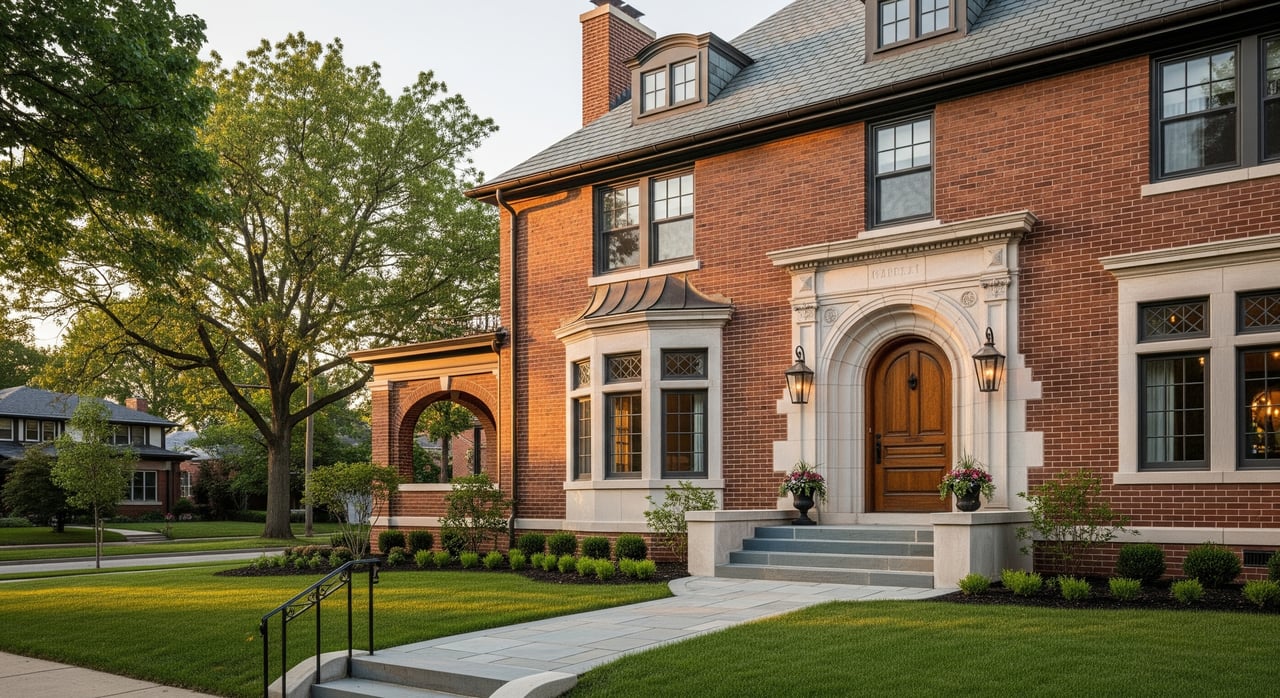
Buying in University City can feel like a high-wire act. Older homes, occasional multiple-offer situations, and tight timelines make every decision count. The right contingencies help you manage risk without scaring off a seller. In this guide, you’ll learn how Missouri contingencies work, what timelines to expect, and how to tailor your strategy for U City’s older single-family homes and its townhomes and condos. Let’s dive in.
What contingencies do in Missouri
Contingencies are contract clauses that let you change course if a specific condition is not met by a deadline. They protect you on issues like inspections, financing, and appraisal while setting clear expectations for the seller on timing and good-faith effort.
When a contingency is not satisfied or waived by its deadline, the contract often allows a party to terminate and seek the return of earnest money based on the written terms. In Missouri, these are negotiated contract rights, and timelines matter. In parts of University City near the Delmar Loop or close to universities, sellers sometimes see multiple offers, so buyers often shorten deadlines or narrow remedies to stay competitive.
Key contingencies to know
Inspection contingency
The inspection period lets you order professional inspections and then accept the property, request repairs or credits, or cancel within the window. In Missouri, inspection periods typically run 5 to 14 days, often 7 to 10 in moderate markets. Shorter windows are common when competition is strong.
In U City’s older homes, inspections often focus on structural elements, moisture and basements, electrical systems that may include older wiring, HVAC age and performance, roof condition, radon testing, potential lead-based paint in pre-1978 homes, and the sewer lateral. Even in an as-is sale, you usually retain the right to inspect unless you explicitly waive it.
Ways to stay competitive while keeping protection:
- Shorten the inspection period from 10 days to 5 days.
- Make the contingency “information only” so you can cancel for major hazards, not cosmetic issues.
- Cap repair requests to critical items or a dollar amount.
Financing contingency
The financing contingency protects you if you cannot obtain the loan described in your contract by the deadline. Typical timelines include loan commitment within 21 to 30 days. You’ll be expected to apply promptly and cooperate with lender requests.
Sellers prefer strong lender pre-approvals over pre-qualifications. In competitive U City pockets, you can strengthen your position with a conditional loan approval before you write. Shortening deadlines can help, but it raises the risk that you could forfeit earnest money if financing falls through.
Appraisal contingency
If the home appraises below the contract price, this contingency gives you options. You can try to renegotiate, bring extra cash to cover a gap, or terminate if your contract ties appraisal to financing and the lender will not lend at the higher price.
Strategies used in competitive settings include an appraisal gap guarantee, where you agree to bring a set amount of cash if the appraisal comes in short. This can be powerful, but only if you have the funds. Older or unique U City homes and condos with limited comparable sales can see more appraisal variance, so share strong comparable data and improvements with your lender early.
Sale-of-home contingency
This helps when you need proceeds from your current property to buy the next one. The offer is conditioned on selling your home by a set deadline. In tighter seller markets, these contingencies are often rejected or made secondary, allowing the seller to accept other offers while you try to remove the condition.
Alternatives include bridge financing, a shorter sale timeline with clear marketing steps, or an escape clause that gives you a brief window to remove the contingency if the seller receives another offer. Just know that offers without this contingency are usually stronger in desirable U City locations.
HOA and condo document review
If you are buying a townhome or condo, build in time to review HOA documents, including bylaws, budgets, reserves, insurance, meeting minutes, and any history of special assessments. A common review period is 7 to 14 days.
Older conversions can have thinner reserves or pending assessments. If documents raise concerns, you can ask for a credit, request that the seller pay an assessment at closing, or terminate within the review period.
U City home types: strategy by property
Older single-family homes
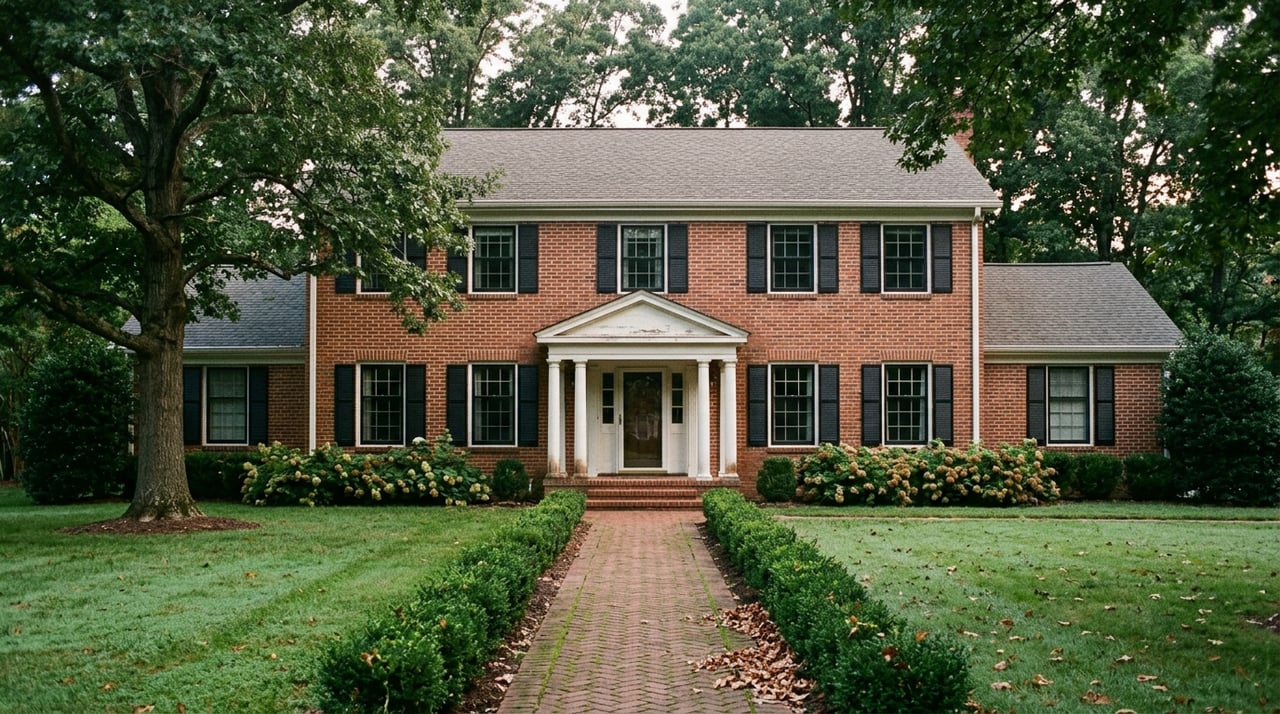
University City’s historic and pre-war homes often feature brick construction, basements, and mature systems. It is wise to include inspections that focus on structure and roofing, moisture and drainage, pest and termite, radon, potential lead-based paint for pre-1978 properties, sewer laterals, HVAC, and chimneys.
For negotiation, consider keeping a full inspection contingency but narrowing requests to health and safety or major systems. Many sellers price with some deferred maintenance in mind, so plan a realistic update budget. Arriving with a strong pre-approval and a shorter but achievable inspection window can help you compete without giving up key protections.
Townhomes and condos
HOA governance adds another layer of due diligence. Review budgets, reserves, insurance coverage, meeting minutes, and any pending or recent special assessments. Look for building-wide signs such as roof leaks, drainage issues, or shared foundation concerns.
With condos and townhomes, appraisals can be more sensitive to recent comps. If inventory is thin, be prepared for appraisal conversations and consider whether limited appraisal gap coverage fits your budget. Thorough document reviews done early keep your options open and avoid surprises late in the process.
Timelines and offer structure
Understanding standard ranges helps you plan and signal confidence to the seller.
- Inspection period: 5 to 14 days, often 7 to 10 in balanced markets. Faster timelines require quick scheduling of inspectors.
- Financing commitment: 21 to 30 days is common. A strong lender relationship can shorten this.
- Appraisal timing: Often tied to the financing contingency, frequently 7 to 21 days after loan application or after key contingencies are cleared.
- HOA document review: 7 to 14 days, possibly longer for extensive documents.
- Title review: Often 7 to 14 days, depending on local title company timing.
Illustrative clause ideas you may see in practice:
- Inspection: Buyer has a set number of days to inspect and either accept, request repairs, or terminate and receive a refund of earnest money.
- Financing: The agreement is contingent on securing a specified loan type by a stated date, with the buyer using good-faith efforts to obtain financing.
- Appraisal: If the appraised value is below the purchase price, the buyer may terminate or proceed by bringing additional funds to close within a stated timeframe.
How to balance risk and offer strength
Buyer checklist: manage risk
- Secure a strong pre-approval or conditional approval before you write.
- Keep the inspection contingency and prioritize critical inspections for U City’s housing stock.
- Include an HOA document review for townhomes and condos.
- Decide in advance if limited appraisal gap coverage fits your cash position.
- Confirm who holds earnest money and how it is disbursed in various scenarios.
- Consider using a local real estate attorney if you want added clarity on contract language.
Offer options: improve strength
- Shorten contingency deadlines you can confidently meet.
- Pair a strong pre-approval with higher earnest money to signal commitment.
- Limit inspection requests to health and safety or set a monetary cap.
- Avoid a sale-of-home contingency unless required. If needed, structure clear timelines or consider an escape clause.
Seller perspective: what wins
- Fewer or shorter contingencies, stronger lender commitments, and higher earnest money often stand out.
- For older U City homes, sellers respond to timely inspection windows and focused repair negotiations.
- For condos and townhomes, sellers expect a fair HOA document review but watch for issues that might cause buyer hesitation later.
Next steps in University City
If you are considering an older single-family home near the Loop or a low-maintenance condo, the right contingency plan can help you secure the property and protect your investment. Start with your lender to tighten timelines, schedule inspectors early, and decide what you are willing to waive and what you are not.
When you want a clear, tailored strategy for University City’s housing stock and market pace, connect with a local team that blends market insight with renovation know-how. For a private, concierge-level plan that fits your goals, reach out to Samuel Hall for a consultation.
FAQs
What is an inspection contingency in Missouri?
- It gives you a set period, often 5 to 14 days, to complete inspections and then accept the home, request repairs or credits, or cancel within the deadline.
How does a financing contingency protect me?
- If you cannot obtain the loan described by the stated deadline, you may terminate under the contract and seek a return of earnest money per its terms.
What happens if the appraisal is low in U City?
- You can try to renegotiate, bring cash to cover the gap, or cancel if your contract allows. Some buyers use limited appraisal gap guarantees to compete.
Should I include a sale-of-home contingency?
- Only if necessary. In competitive U City areas, sellers often prefer offers without it or require an escape clause that lets them accept a backup offer.
What should I review for condos or townhomes?
- Review HOA bylaws, budgets, reserves, insurance, meeting minutes, and any special assessment history during a 7 to 14 day document review period.