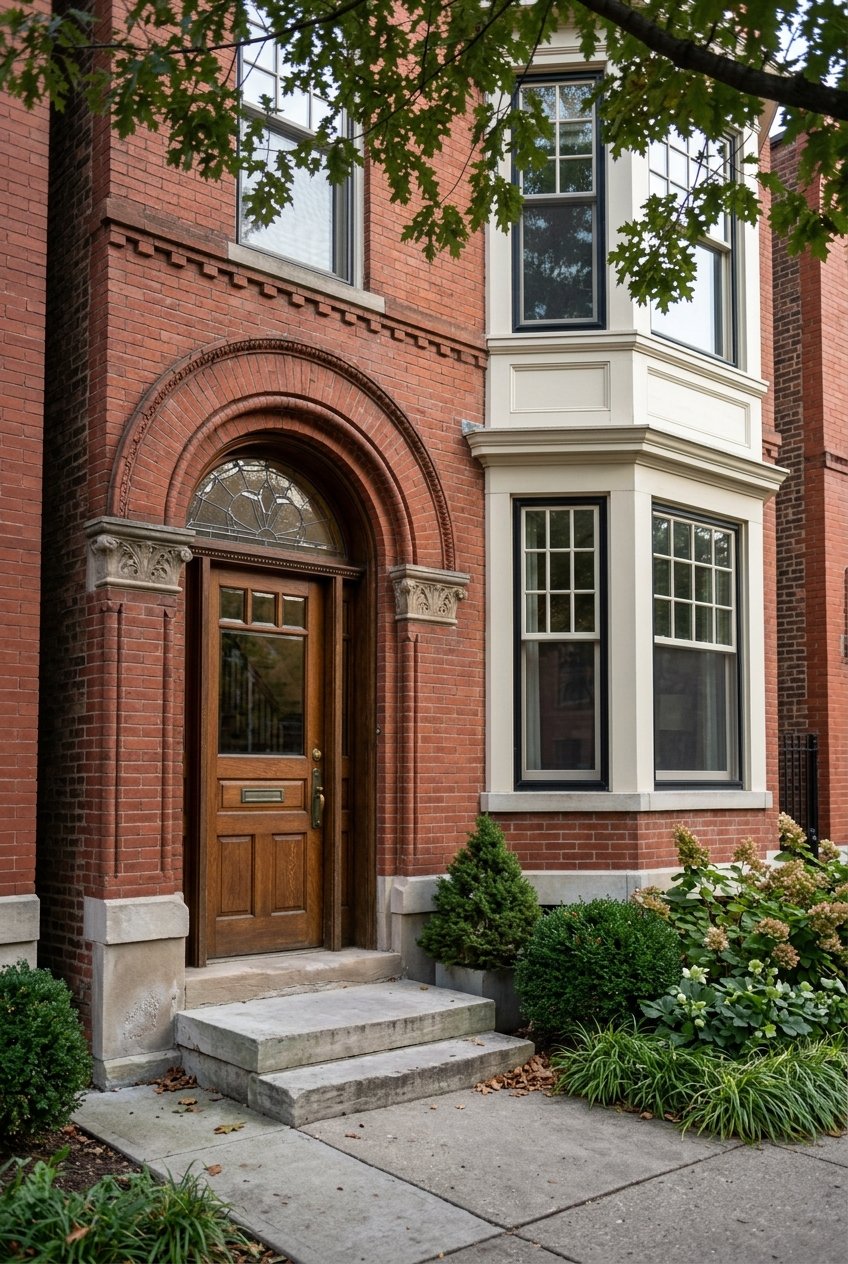
Dreaming about a South City gingerbread home? It is easy to fall for the arched entries, detailed brickwork, welcoming porches, and one-of-a-kind character that make these St. Louis houses feel so special. But buying one takes more than a quick tour and a strong offer. You need to understand the architecture, the neighborhood context, and the repair issues that often matter most in older brick homes. This guide will help you shop with more confidence, budget wisely, and know what to investigate before you buy. Let’s dive in.
What a South City gingerbread home means
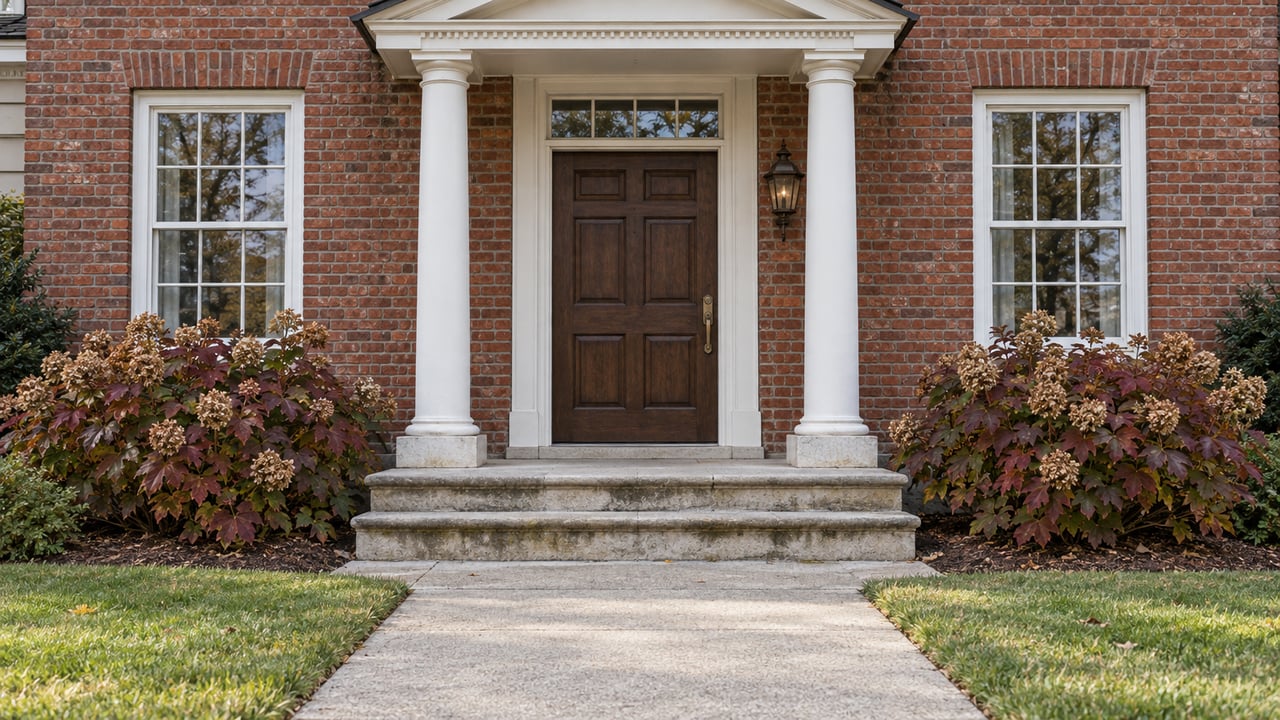
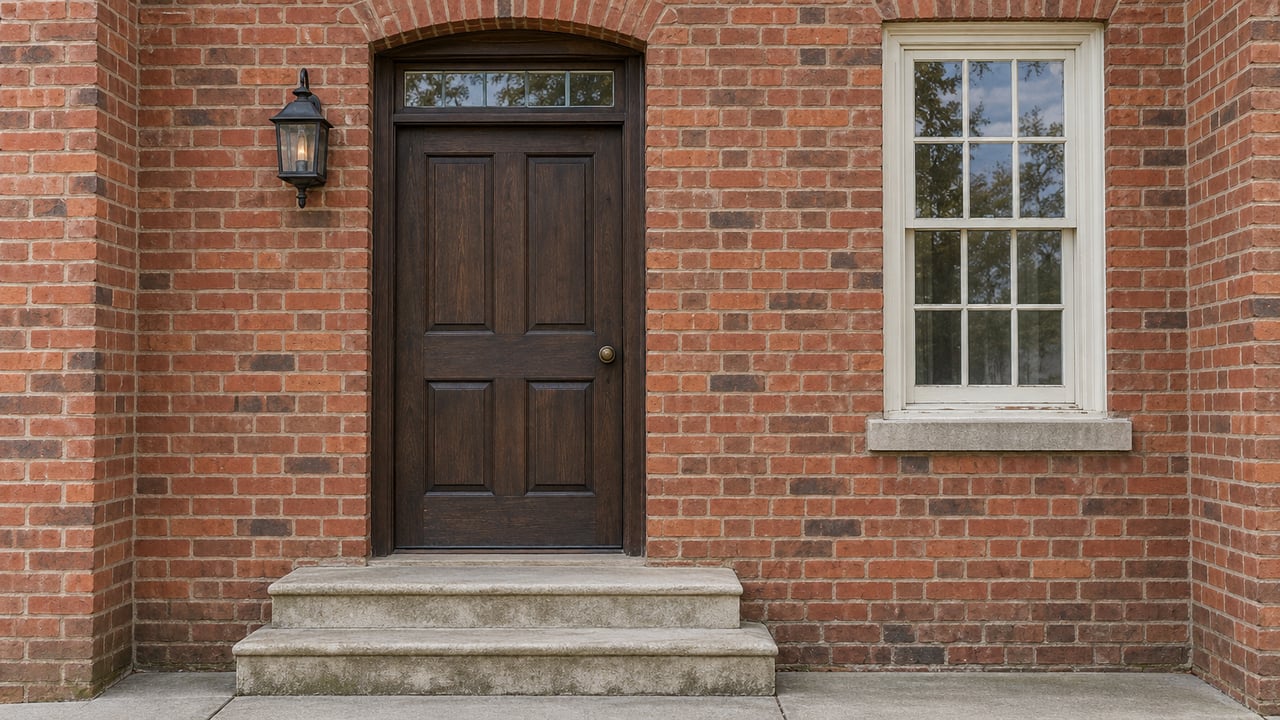
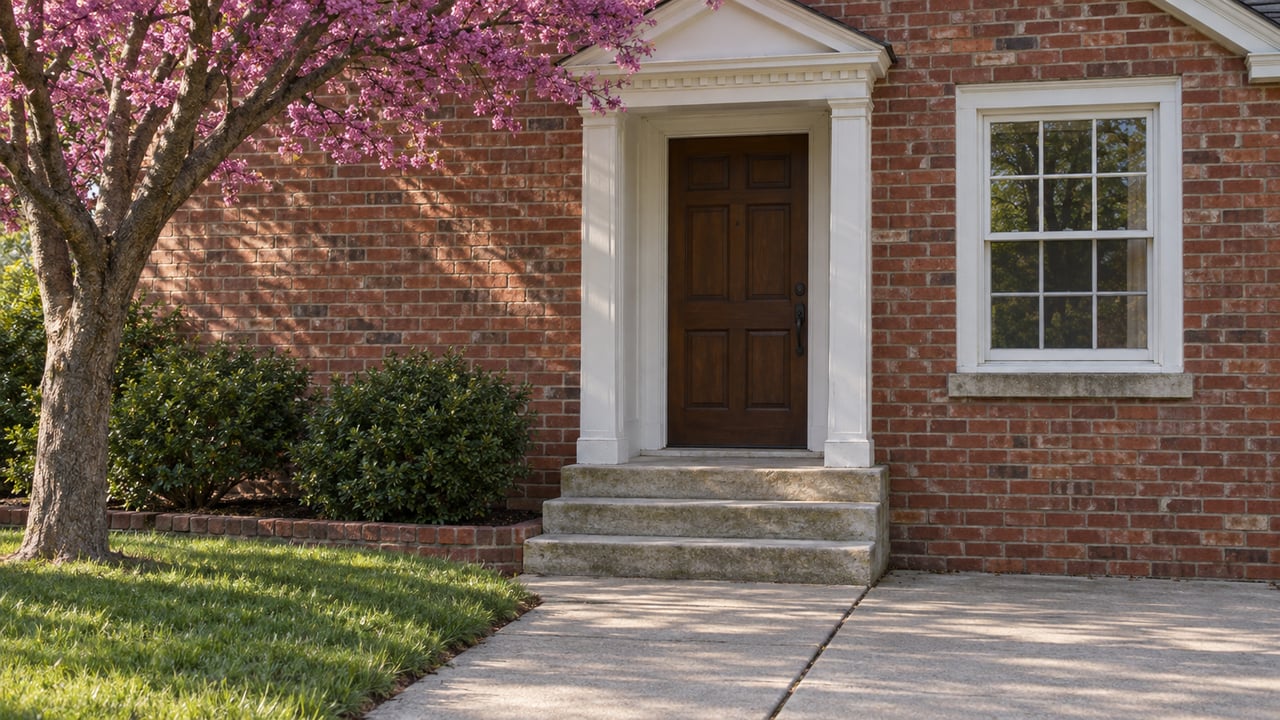
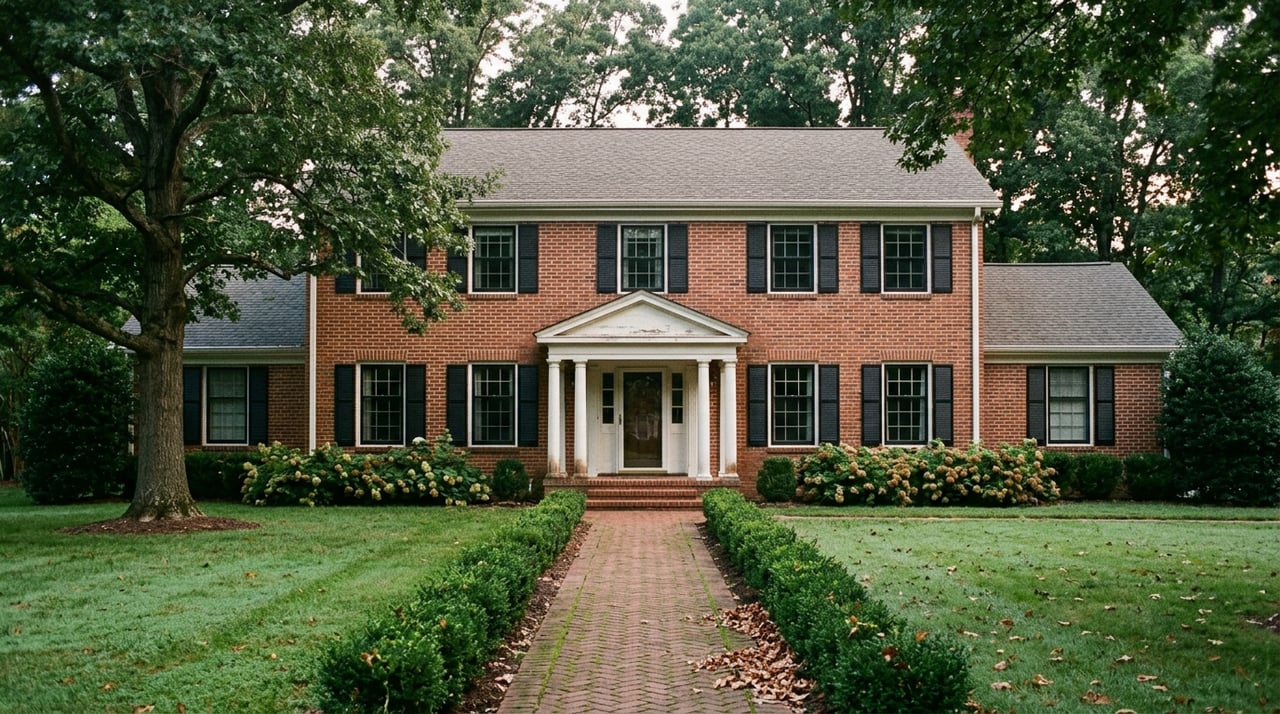
In St. Louis, “gingerbread” usually describes a look and feel more than one strict architectural style. Many of these homes are late-Victorian or early-20th-century brick houses with decorative masonry, porches, and eclectic details that stand out from newer construction.
According to the City of St. Louis preservation guide, the forms most often tied to this housing stock include Foursquares, bungalows, bungaloids, front-gambrel Colonials, and other brick vernacular homes. That means the home you love may not fit a single textbook category, but it likely shares the same era, materials, and preservation considerations.
Common styles you may see
A few home types come up again and again in South City:
- Foursquares with square footprints, two to two-and-a-half stories, and practical floor plans
- Bungalows with broad front gables, porches, and Arts and Crafts details
- Bungaloids that blend bungalow features with more compact city-lot proportions
- Front-gambrel Colonials that are especially common in parts of South City
These homes often appeal to buyers who want architectural detail, solid brick construction, and neighborhoods with a strong sense of place.
Where you will find them
South City gingerbread homes are spread across several historic St. Louis neighborhoods, many of which grew during the same late-19th- and early-20th-century building period. The City of St. Louis neighborhood overview notes that Shaw’s core development ran from about 1890 to 1915, while Tower Grove East’s major building boom stretched from the mid-1890s into the 1920s. Fox Park and Benton Park also include a large share of older brick housing.
That history matters because it helps explain why these homes often share similar layouts, construction methods, and renovation needs. When you buy in one of these neighborhoods, you are often buying into a broader historic housing pattern, not just one charming house on one block.
Neighborhood character and daily life
Part of the appeal is not just the home itself, but what surrounds it. Shaw sits near the Missouri Botanical Garden, Tower Grove Park, and the South Grand commercial district, while Tower Grove South centers around Tower Grove Park, a 289-acre National Historic Landmark.
For many buyers, walkability and local business districts are a major draw. Explore St. Louis highlights South Grand for its dense mix of restaurants, and Cherokee Street adds another active corridor with a historic district, farmers market, and street-level businesses. If you want a home with charm and a neighborhood with energy, South City often delivers both.
What prices look like in South City
Pricing can vary quite a bit from one neighborhood to the next, and even from one block to another. At the city level, Redfin reports that St. Louis had a median sale price of about $224,000 in February 2026, up 8.2% year over year.
Within South City, neighborhood values show a much wider range. Zillow neighborhood data places Tower Grove South at $228,740, Benton Park at $266,140, Shaw at $343,932, Fox Park at $267,857, and Benton Park West at $170,668. That spread suggests something important: when you are buying a gingerbread home, location, condition, and renovation quality often matter more than the broad “South City” label.
Why one gingerbread home costs more than another
Two homes with similar square footage can carry very different price tags. A house in a stronger-value pocket, one with more complete updates, or one in a historic district with carefully preserved features may command a premium over a similar home that needs major work.
Current neighborhood snapshots also point to some negotiating room in certain areas. Realtor.com shows Tower Grove South and Benton Park West as buyer’s markets, with median days on market of 55 and 72 respectively. For you, that may mean more flexibility if a home has deferred maintenance, dated systems, or restoration needs.
What to inspect before you buy
The biggest mistake buyers make with older brick homes is focusing too much on finishes and not enough on the building envelope. Pretty kitchens are nice, but the costly surprises usually come from moisture, masonry, windows, and underground utility lines.
A smart inspection strategy starts with the parts of the house that keep water out and hold the structure together. In most cases, that means the roof, flashing, gutters, masonry, windows, and sewer line deserve close attention early in due diligence.
Masonry and structural movement
The National Park Service guide to common brick masonry problems points to cracked or spalled brick, bowing or leaning walls, deteriorated mortar, cracking around windows and doors, and failed lintels or arches as common issues. Roof spread and settlement can also create visible masonry distress.
For a South City gingerbread house, these are not small cosmetic items. Masonry repairs can be specialized and expensive, so it is worth getting an informed opinion if you see stair-step cracks, movement around openings, or signs that a wall is no longer straight.
Moisture and drainage
Water is often the real enemy in older homes. The National Park Service moisture guidance notes that rain can enter through missing mortar, cracks around windows and doors, failed gutters, poor downspouts, and other weak points.
If you are evaluating a house, pay close attention to:
- Roof age and visible wear
- Flashing details
- Gutter and downspout performance
- Signs of interior water staining
- Brick mortar condition
- Drainage near the foundation
A charming exterior does not help much if water is quietly damaging the structure.
Windows and preservation choices
Older windows are another common concern. The National Park Service window guidance says deteriorated historic windows should generally be repaired before being replaced, and that storm windows and weatherstripping can improve performance while preserving original character.
That matters if you are trying to balance comfort, cost, and architectural integrity. A full replacement plan may not always be the best answer, especially if the home has original windows that can still be restored.
Lead and older housing risks
Lead exposure is a serious issue in older housing. The EPA explains that homes built before 1978 may contain lead-based paint, and 87% of homes built before 1940 contain some lead-based paint.
For many South City homes, that means lead should be part of your due diligence, not an afterthought. Federal rules also give most pre-1978 buyers a 10-day period to inspect or assess lead hazards before signing, and the City of St. Louis offers lead inspections for certain residential situations involving young children or a pregnant woman.
Sewer lateral and water line questions
Some of the biggest surprises are underground. The City of St. Louis sewer lateral program says the sewer lateral from the home to the MSD main is private property, and many city sewer lines are more than 100 years old and made from clay pipe.
The same city resource notes that water service lines are owned by the property owner, while the city continues updating its lead-service-line inventory. Before you buy, it is wise to investigate sewer condition and ask questions about water service materials, especially with older housing stock.
Why historic district status matters
Not every South City gingerbread home sits in a historic district, but when one does, exterior work may involve an extra layer of review. The City of St. Louis CRO review FAQs explain that exterior work in city historic districts requires a permit for all exterior work except painting wood trim, and permits cannot be issued without Cultural Resources Office approval.
This does not mean repairs are impossible. It simply means your timeline, contractor plan, and material choices may need to follow a specific process.
Ask these district questions early
Before you close, confirm:
- Whether the property is in a City Historic District
- Whether it contributes to a historic district
- What exterior work may need review
- Whether any planned repairs could require preservation-compliant methods
- How permit timing may affect your move-in or renovation plan
The city also notes that some small projects, including repointing, may be approved quickly through CRO Hotspot. Still, it is better to know the rules before you buy than after you schedule work.
How to budget wisely
With a historic South City home, the safest budgeting sequence is simple: keep the house dry, keep it stable, address hazards, then improve cosmetics. That approach follows the logic of the National Park Service guidance on moisture and masonry, along with city guidance on sewer responsibility, lead issues, and permit review.
In practical terms, your first dollars often belong in the least glamorous places. The roof, gutters, masonry, windows, drainage, sewer line, and lead-safe work may protect your investment far more than a quick cosmetic update.
A smart first-year budget order
Consider prioritizing expenses in this order:
- Water management like roof, flashing, gutters, and drainage
- Structural and masonry needs like mortar repair, lintels, and wall stabilization
- Hazard mitigation such as lead-related testing or lead-safe work
- Utility-line issues including sewer lateral investigation or repairs
- Window repair and weatherization
- Cosmetic updates like paint, fixtures, or finish upgrades
This kind of planning can help you avoid over-improving visible spaces while bigger issues continue behind the walls or below grade.
What about historic tax credits?
If the property qualifies as historic, there may be tax planning opportunities worth exploring. Missouri State Parks explains that Missouri’s historic preservation credit can apply to both income-producing and owner-occupied properties if the building qualifies as historic, while the federal historic tax credit is generally limited to income-producing property.
Qualification rules matter here. The same source says eligible properties must be individually listed, contribute to a National Register district, or contribute to a certified local historic district, and rehabilitation work must follow the Secretary of the Interior’s Standards.
For you, the main takeaway is simple: verify district and eligibility status early. If a home may qualify, that could influence how you budget repairs and how you think about long-term value.
How to buy with confidence
A South City gingerbread home can be one of the most rewarding purchases in St. Louis. You get architecture with personality, neighborhoods with real identity, and the chance to own a piece of the city’s built history.
The key is knowing that the most expensive surprises usually come from deferred maintenance, not from the home’s style. If you verify historic status early, inspect masonry, moisture points, windows, lead concerns, and sewer lines carefully, and build your budget around preservation-minded priorities, you can move forward with much more clarity.
If you are considering a historic or architecturally significant home in St. Louis, Samuel Hall can help you evaluate character, condition, and long-term potential with a practical, detail-oriented approach.
FAQs
What is a South City gingerbread home in St. Louis?
- A South City gingerbread home usually refers to a late-Victorian or early-20th-century brick house with decorative brickwork, porches, and eclectic historic details, often in forms like bungalows, Foursquares, bungaloids, and front-gambrel Colonials.
Which South City neighborhoods have gingerbread homes?
- Buyers often find these homes in neighborhoods with large amounts of older brick housing stock, including Shaw, Tower Grove East, Tower Grove South, Fox Park, Benton Park, and nearby parts of South St. Louis.
What should buyers inspect in a South City brick home?
- Buyers should pay close attention to masonry condition, roof and flashing, gutters and drainage, window condition, possible lead-based paint, and the private sewer lateral from the home to the main line.
Do historic districts affect repairs on South City homes?
- Yes. If the property is in a City Historic District, many exterior projects require permit review and approval from the Cultural Resources Office before work can move forward.
Are South City gingerbread homes expensive to maintain?
- They can be, especially if prior owners deferred maintenance. The biggest costs often come from moisture problems, masonry repairs, lead-safe work, window restoration, and sewer or water line issues rather than from decorative features alone.
Can buyers use tax credits for a historic home in St. Louis?
- Possibly. Missouri’s historic preservation credit may apply to owner-occupied and income-producing properties if the building qualifies, while the federal credit is generally limited to income-producing property.