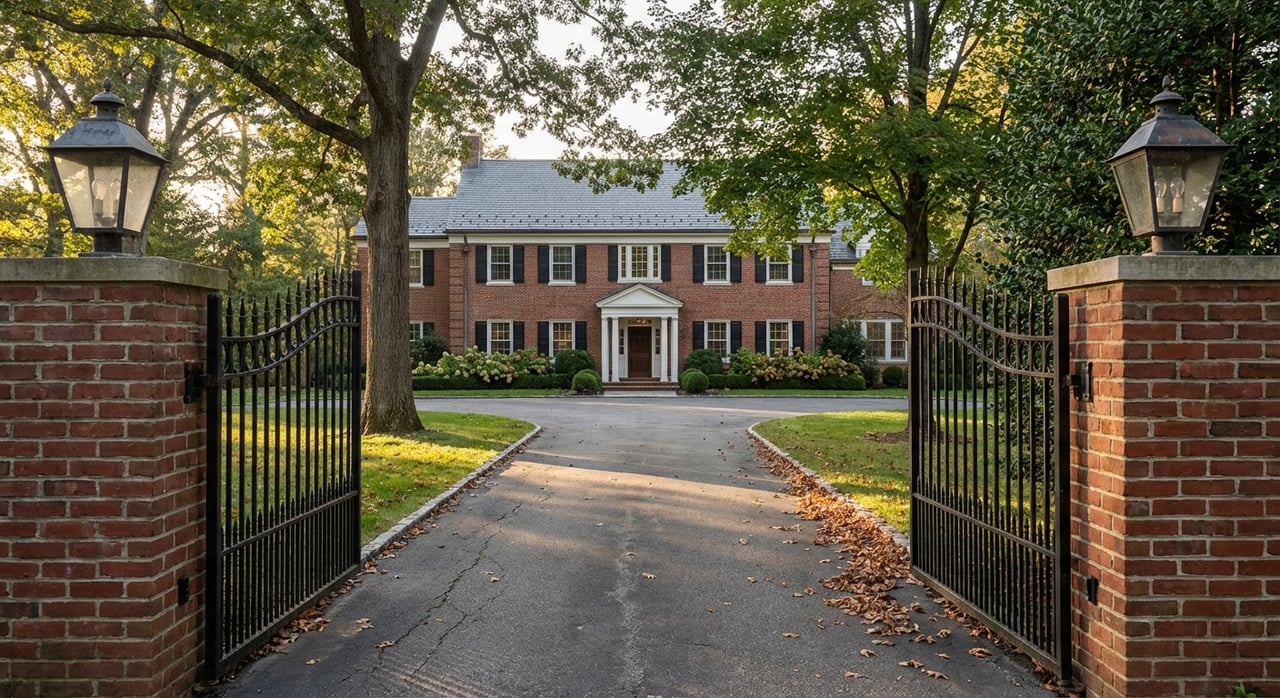
Is your ideal day a quiet morning on a tree-lined drive, an afternoon on the courts or trails, and dinner at a favorite spot just a few minutes away? If you want space, privacy, and convenience in the St. Louis area, estate living in Frontenac and Town and Country delivers that balance. You also want clear facts about lots, daily life, and the real costs to own. This guide walks you through what sets these two communities apart and how to shop with confidence. Let’s dive in.
Where these estates fit in St. Louis
Frontenac and Town and Country sit in the inner-west corridor of St. Louis County, close to major routes and Central Corridor amenities. These are low-density, high-value neighborhoods known for large parcels and a quiet, park-like feel. Town and Country is a small city of around 11,000 residents, according to U.S. Census QuickFacts. Frontenac is smaller and has a long identity as an estates community.
Commute times are practical for many buyers who work across the metro. Local profiles show typical drives in the 25 to 30 minute range, which aligns with DataUSA’s Frontenac profile that highlights easy access to regional employment and services.
Lot size, zoning, and privacy
Estate living starts with land. In Frontenac, the municipal code centers on an R-1 One-Acre Residence District. That one-acre minimum explains the consistent scale you see as you drive the streets. You can review the framework in the City of Frontenac municipal code.
Town and Country maps both Estate and Suburban Estate districts. In the Estate district, original lots were generally about 80,000 square feet, which is roughly 1.84 acres or more. This shapes the community’s deep setbacks, long drives, and mature tree canopy. You can see the estate-oriented standards, including landscaping and buffering, in Town and Country’s zoning code.
One detail surprises some buyers. Town and Country restricts gates that control vehicle access to individual residential lots on local streets. The rules are specific, so do not assume a gated entry is allowed. Always check the municipal code and consult the city before planning any access changes.
A day in the life: clubs, trails, dining
Private clubs and social calendars
Many households plug into a long-standing private club culture. Bellerive Country Club in Town and Country anchors golf, tennis, and social events for members. Other established clubs nearby create a year-round calendar that complements home-based entertaining.
Parks, trails, and riding
You get acreage without feeling isolated. Large public parks sit minutes away, from Queeny Park and the Greensfelder Recreation Complex to pocket parks within Town and Country. Trails, riding arenas, and open fields add to the green, estate-like feel across these neighborhoods.
Upscale retail and dining close by
Frontenac’s signature retail hub is Plaza Frontenac, a compact center with luxury anchors, specialty boutiques, and white-table dining. Tenants change over time, yet the overall experience is consistent: suburban quiet paired with city-level shopping and restaurants only a short drive from home.
What estate homes include
The property itself
Expect long private drives, generous setbacks, and layered privacy from mature trees. Outdoor amenities are common: inground pools and pool houses, multiple-bay garages, motor courts, outdoor kitchens, sport courts, and sometimes equestrian facilities on larger parcels. Town and Country’s zoning outlines what accessory structures are permitted and where, so review the code’s accessory-use standards before planning a project.
Architecture and finishes
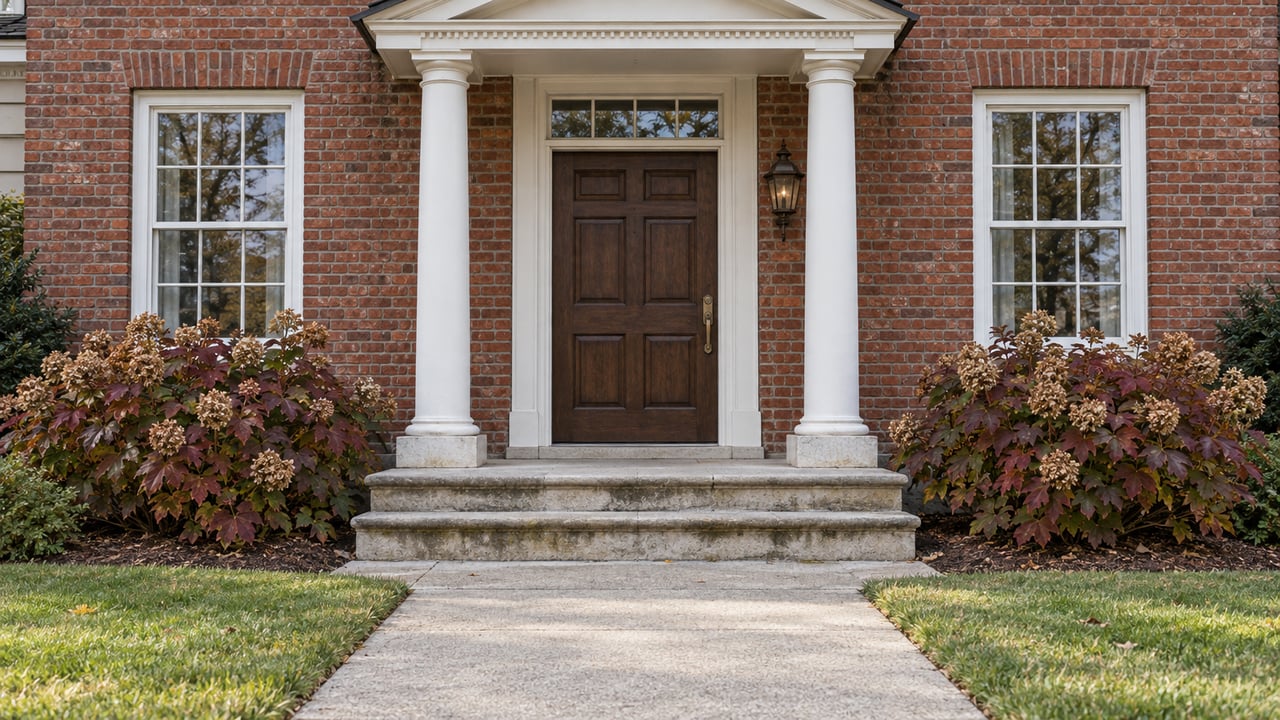
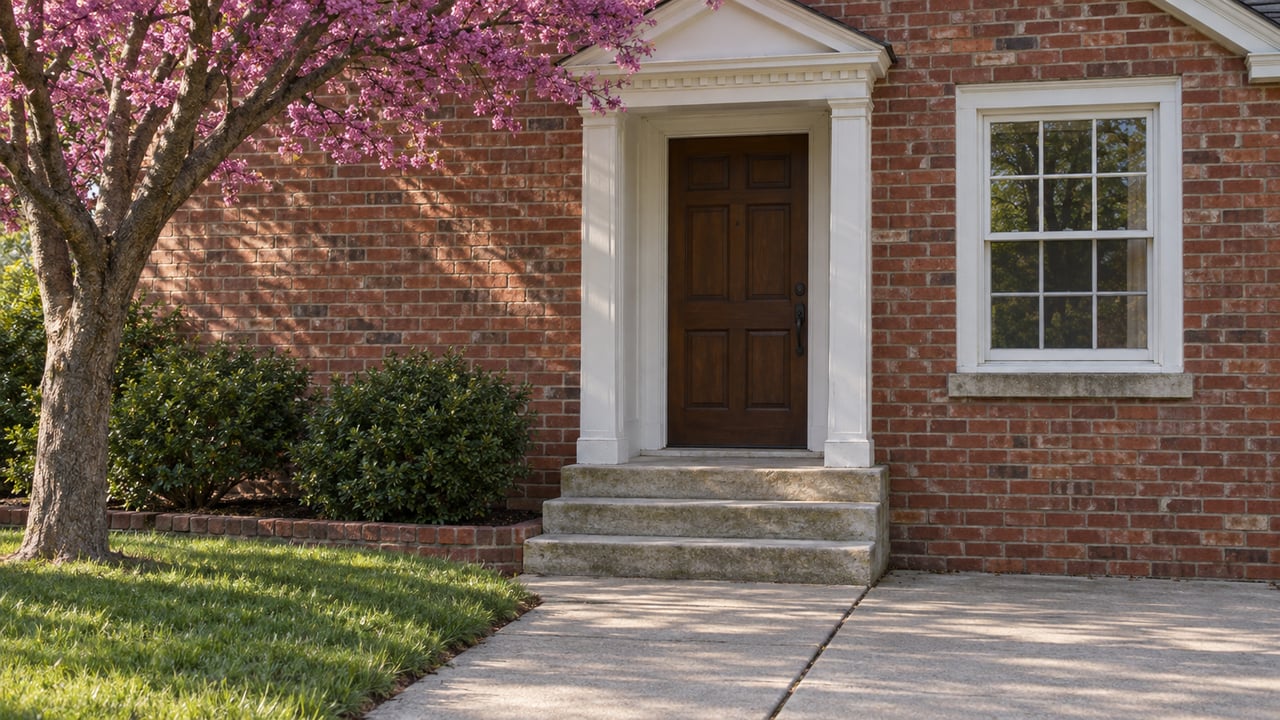
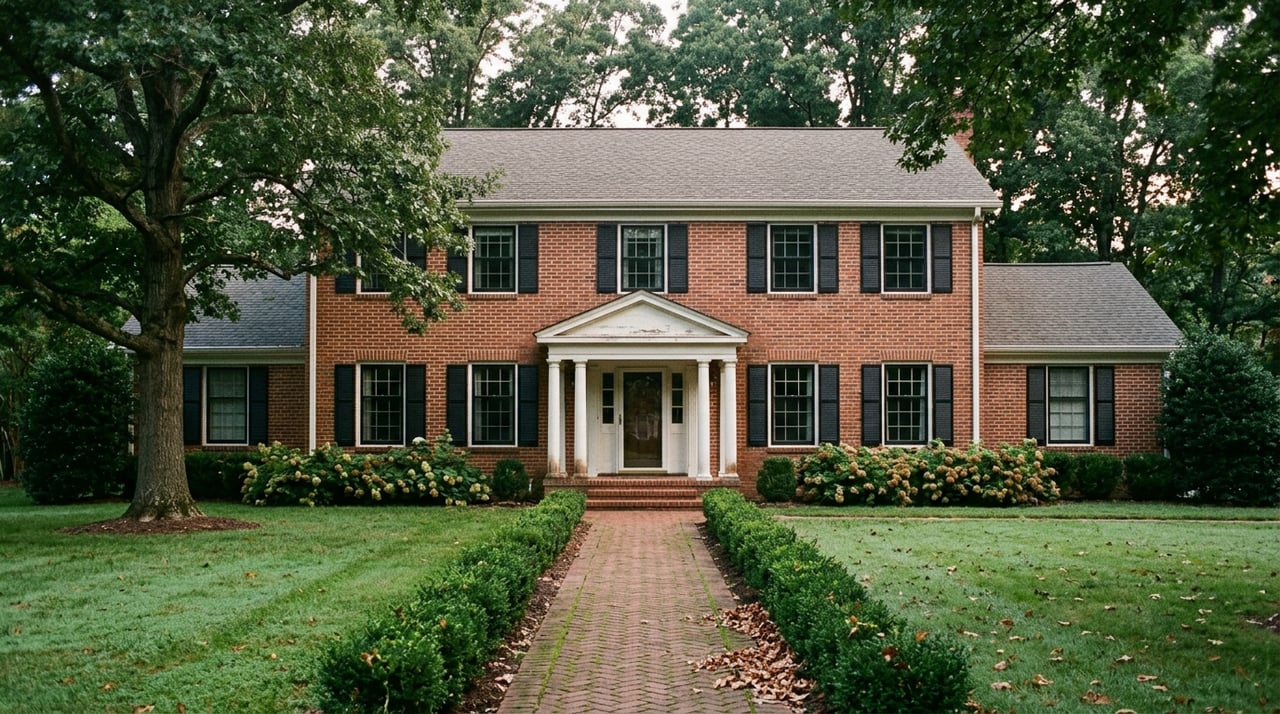
Frontenac shows strong French and European-inspired traditions, paired with Georgian, Colonial, Tudor, Mediterranean, and modern remodels across the inner-west suburbs. The aesthetic leans toward quiet luxury, with brick or limestone facades, premium roofing, and detailed millwork. For context on the city’s story and style, see Frontenac’s background.
Interior flow and function
Estate buyers expect gracious entertaining spaces and flexible family living. You often see formal reception rooms, multiple casual living areas, large primary suites with private patios, home offices, and guest or in-law suites. Many homes emphasize indoor-outdoor flow to host family events and seasonal gatherings with ease.
Ownership realities: budgeting and upkeep
Owning more land and more house brings a different service rhythm. The right plan keeps the property enjoyable and well run.
Recurring services to plan for
- Grounds and landscaping. One-acre-plus lawns, gardens, and tree canopies require consistent attention. National pricing guides show wide ranges for mowing, seasonal cleanups, irrigation maintenance, and tree care. Use these as a starting point, then get local quotes. See broad ranges in HomeAdvisor’s lawn and garden cost guide.
- Pool and water features. Routine pool service, chemicals, and equipment checks typically land in the low hundreds per month for standard service, with higher annual costs for repairs and utilities. An indoor or heated pool raises the total. For context, review Bob Vila’s pool maintenance overview.
- Courts, lighting, and systems. Tennis or pickleball courts, exterior lighting, irrigation, gates, and elevators call for specialty contractors on a set cycle. Expect resurfacing or tune-ups every few years depending on use and materials.
- Seasonal and storm work. Long drives and woodland lots increase snow removal, leaf work, and storm cleanup needs. See national ranges in Bob Vila’s snow removal guide.
- Whole-home systems. Larger homes often have multiple HVAC zones, higher roof and gutter exposure, and more plumbing fixtures. Plan for annual servicing and larger one-time replacements on a longer timeline.
One-off and cyclical costs to expect
- Tree care and risk mitigation, such as dead-wooding and limb removal after storms.
- Driveway resurfacing or repaving for long private drives.
- Pool equipment replacement cycles, court resurfacing, and outbuilding re-roofing.
- Major landscape renovations every 10 to 20 years as plantings mature.
Utilities, sewer, and easements
Do not assume all large parcels are on municipal sewer. Some pockets near parks or lower-density areas may have private systems. Early in due diligence, confirm water and sewer connections, any well or septic status, and recorded utility easements. Your county assessor, municipal planning office, and the Metropolitan St. Louis Sewer District can verify parcel-level details.
Taxes, insurance, and site constraints
Estate properties often have higher absolute property taxes due to assessed value. Rates vary by district and municipality, so check your parcel’s specifics with the county assessor or collector rather than relying on a single rule of thumb. On larger lots with creeks or low areas, confirm FEMA flood zone status and any elevation or insurance requirements. Also check for conservation or historic landscape easements that may shape future improvements.
Market behavior: how to shop smart
Inventory in these estate neighborhoods can be thin. Listings cluster by season, and individual sales can skew short-term price snapshots. Rather than chasing a headline number, define your must-haves and be ready to act when the right property appears.
- Focus on lifestyle fit first. Lot size, privacy, and indoor-outdoor flow matter more than a month-to-month median.
- Use on-the-ground comps. Have your agent pull 12-month sold data from the MLS for true like-kind comparisons.
- Watch permitting and project scope. Zoning, setbacks, and accessory-use rules can shape your renovation plans. Check codes in Frontenac and Town and Country before you finalize a bid.
- Leverage private channels. In this segment, off-market opportunities and private offerings can be pivotal. Frontenac’s reputation for quiet luxury is well documented in regional coverage, such as Mansion Global’s profile of the area’s appeal.
Frontenac vs. Town and Country: quick comparison
- Lot pattern. Frontenac reads largely as a one-acre community. Town and Country includes pockets of 2 acres or more in mapped Estate districts.
- Streetscape. Both feature deep setbacks, mature tree canopy, and a quiet feel. Town and Country adds explicit buffering and landscape standards in its code.
- Access control. Do not assume you can add a driveway gate in Town and Country. The code restricts gates that control vehicle access on local streets.
- Nearby amenities. Both offer quick drives to private clubs, parks, and Plaza Frontenac, which keeps daily errands and dining simple.
A simple plan to start your search
- Define your acreage and privacy goals. Decide if one acre meets your needs or if you want a larger estate parcel.
- Map your daily life. Note drive times to work, club, schools, and preferred shopping. Cross-check with typical commute data from DataUSA for Frontenac.
- Prioritize property components. Rank items like pool, sport court, guest house, or room for an addition.
- Pre-vet the site. Before you fall in love, confirm sewer or septic status, flood zone, easements, and any HOA rules.
- Price the upkeep. Use national guides for ballparks, then get two to three local quotes for landscaping and pool service.
- Engage expert representation. Experienced local agents can surface off-market options, guide code questions, and coordinate trusted vendors.
When you are ready for a quiet, acreage lifestyle without giving up convenience, Frontenac and Town and Country are a compelling pair of addresses. With clear expectations on zoning, maintenance, and market flow, you can choose a property that fits how you live today and how you plan to grow.
Looking for a private, strategic approach to your estate search or sale in the Central Corridor? Connect with Samuel Hall to request a private consultation and tap into discreet guidance, premium media, and access to Sotheby’s private sale channels.
FAQs
What does “estate zoning” mean in Town and Country?
- Town and Country maps Estate and Suburban Estate districts intended to preserve large-lot neighborhoods. Original Estate parcels were generally about 80,000 square feet, and the code sets standards for setbacks, landscaping, and accessory uses. See the city’s zoning code.
Are gated driveways allowed for homes in Town and Country?
- The municipal code restricts gates that control vehicle access to individual residential lots on local streets. Always check the current rules and consult the city before planning a gate. Review details in the Town and Country code.
What is Frontenac’s minimum lot size for most homes?
- Frontenac’s residential framework is built around an R-1 One-Acre Residence District. This one-acre orientation shapes the city’s consistent estate character. See the Frontenac code.
How close are shops and restaurants to these estates?
- Plaza Frontenac is a compact luxury center with high-end retail and white-table dining within a short drive of most area estates. Explore current tenant and visitor info at Plaza Frontenac.
What ongoing maintenance should I budget for an estate with a pool?
- Plan for lawn, tree, and irrigation service, plus pool chemicals, equipment checks, and seasonal openings and closings. National guides suggest pool service often runs in the low hundreds per month, with annual totals higher for repairs and utilities. See Bob Vila’s pool maintenance guide.
What are typical commute times from Frontenac or Town and Country?
- Many residents report drives of about 25 to 30 minutes to major employment hubs, depending on time of day. For context on the area’s profile and access, review DataUSA’s Frontenac page.
What architectural styles are common on estate lots here?
- You will see French and European-inspired designs in Frontenac, along with Georgian, Colonial, Tudor, Mediterranean, and modern remodels across the inner-west suburbs. For background on Frontenac’s character, see Frontenac’s overview.