Wondering what your Clayton home is really worth right now? In a market where value can shift from one block to the next, an accurate valuation is the difference between leaving money on the table and launching with confidence. You want a clear plan, a grounded price range, and a simple path from prep to sold. This guide explains exactly how a concierge valuation works in Clayton and what to expect from start to finish. Let’s dive in.
Clayton market factors that matter
Clayton is an established, walkable city center with a mix of historic single-family homes, townhomes, and a wide range of condominiums. Buyers often include professionals working in nearby employment hubs, downsizers who value amenities, and local movers who prioritize district boundaries. That diversity means your home is competing in a micro-market, not a broad county average.
Micro-markets in Clayton can shift within a few blocks. Lot size, orientation, proximity to business corridors, streetscape, and building reputation for condos all influence demand. For condominiums, HOA rules, reserves, and assessments are major factors buyers weigh alongside finishes and square footage.
Regulatory and paperwork considerations also shape timing and pricing. St. Louis County tax assessments and property records, seller disclosures, permitting history, and HOA documentation for condos are part of a thorough valuation and listing plan. Your agent should confirm what exists on record and what you will need to provide.
How your valuation is built
A strong valuation blends hyper-local comparable sales, on-site condition analysis, and current market signals. The goal is not just a number. It is a pricing strategy tailored to your micro-market and your timeline.
Hyper-local comps CMA
A Comparative Market Analysis focuses on sales, pendings, and active listings in your immediate area, ideally within short walking distance or the same block. Priority goes to closed sales from the past 3 to 6 months with similar property type and condition. Where supply is thin, the search radius or time window expands with clear notes on limitations.
Adjustments account for:
- Finished square footage and price per square foot
- Lot size, outdoor space, and parking or garage
- Effective age, systems, and overall condition
- Kitchen and bath updates, flooring, and finishes
- Amenities such as outdoor living spaces or a pool
The most similar and closest comps carry the most weight. Outliers are addressed but not allowed to skew your price range.
Price-per-foot and cost checks
Price per finished square foot is used as a cross-check rather than a headline metric. For unique or architecturally significant properties, replacement or reproduction cost can inform value, especially when recent comps are limited.
Market metrics to watch
A concierge valuation includes a read on inventory, median days on market, sale-to-list performance, list price trends, and the rate of price reductions. For condos, average HOA fees and any known assessments are factored into buyer affordability and perceived value. Agent observations like multiple-offer frequency and showing activity support the pricing strategy.
Architectural features and condition
In Clayton, well-preserved period details can carry a premium when systems are up to date. Buyers respond to original millwork, hardwoods, high ceilings, leaded glass, and built-ins when they are paired with functional layouts and solid mechanicals. Modern buyer preferences often include open kitchen spaces, larger primary suites, and flexible office areas. Deferred maintenance, aging systems, or unpermitted work tend to push pricing conservative.
Block and building influences
The immediate block or building matters more than broad neighborhood averages. For condos, building management quality, reserves, occupancy mix, and any pending special assessments can materially affect pricing and time to contract. Upcoming municipal projects, new construction, or road work nearby can tilt buyer demand or timing for your launch.
What happens at the walkthrough
The on-site visit is where numbers meet reality. Your agent will confirm measurements, document condition, and identify improvements or staging opportunities that influence price and time to sell.
During the walkthrough, expect your agent to:
- Confirm square footage and room counts, including grade-level vs below-grade spaces.
- Evaluate systems and structure: roof, HVAC or boiler, water heater, electrical panel, windows, signs of moisture or foundation stress, and ventilation.
- Assess kitchens and baths: appliance age and brand, cabinet condition, counters, lighting, and evidence of recent permitted remodels.
- Review finishes and historic features to determine what to preserve, refresh, or highlight.
- Check for unpermitted work or conversions and advise on permit history to research.
- Note energy clues like insulation and window performance and request recent utility bills if helpful to buyers.
- Inspect exterior and site: driveway and parking, landscaping, drainage, fences, retaining walls, and privacy.
- For condos, compile HOA contacts and documentation needs like budgets, reserves, rules, minutes, and any known assessments.
- Gather documents: recent tax bill and assessment info, warranties, receipts for upgrades, past inspection reports, survey or plat, and utility bills.
- Capture photos, floor plan notes, and staging considerations to plan media and marketing.
A pre-listing inspection is optional but often smart. It can surface issues that would derail a deal later and allow you to repair or price accordingly.
Improvements and staging that pay off
Pre-list work boosts value in two ways. First, repairs and system updates reduce inspection credits and help you close cleanly. Second, cosmetic improvements and thoughtful staging raise perceived value, improve first impressions, and can support stronger offers.
A typical, cost-conscious sequence includes:
- Safety and major systems. Address roof leaks, electrical hazards, and major plumbing issues. This protects your transaction.
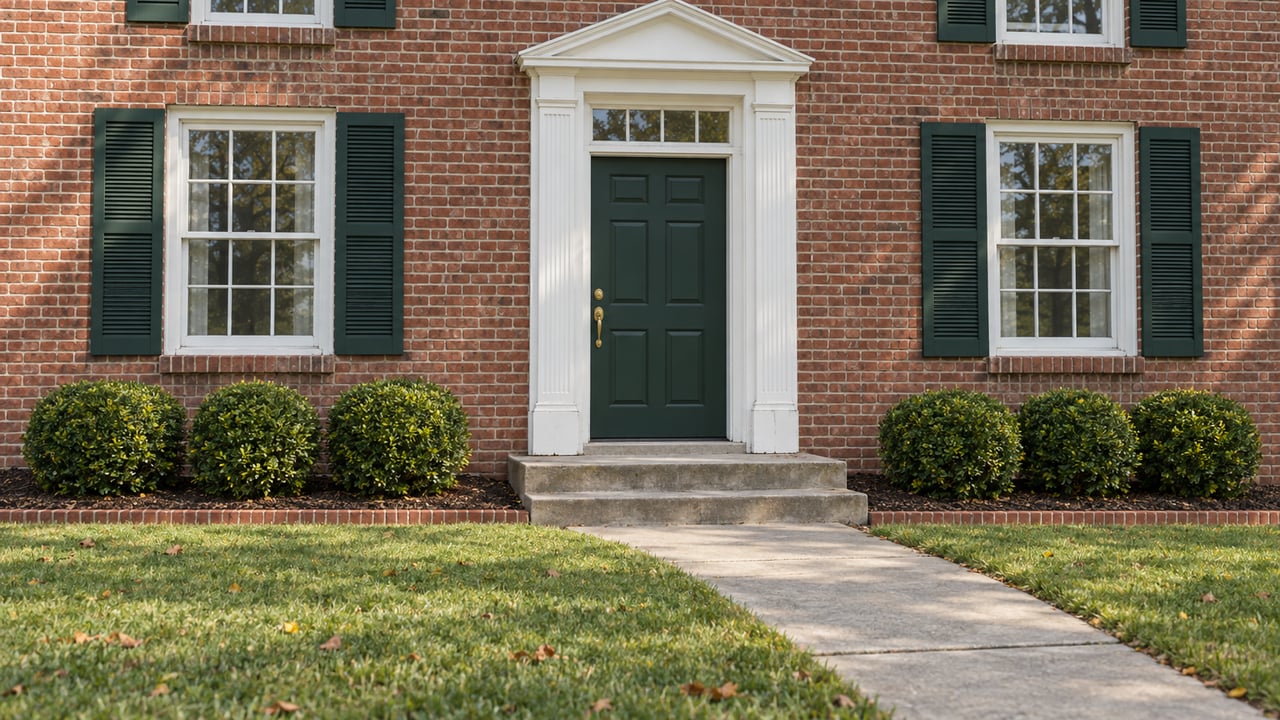
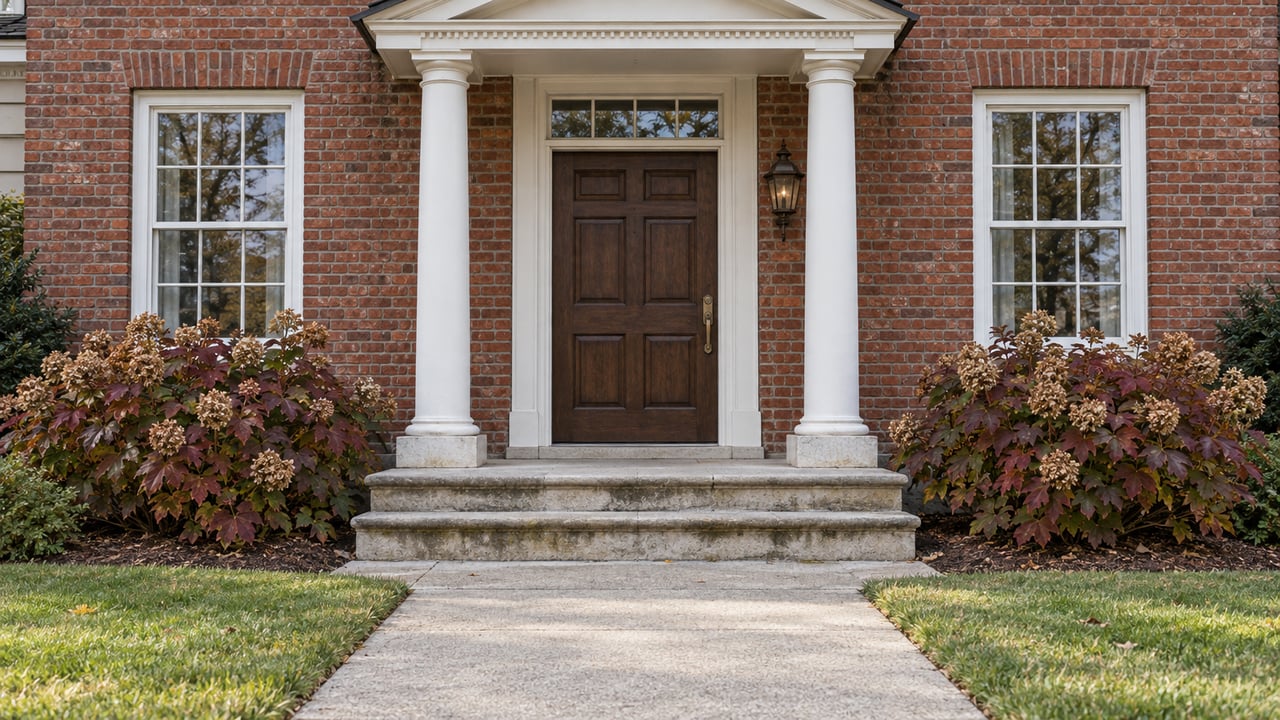
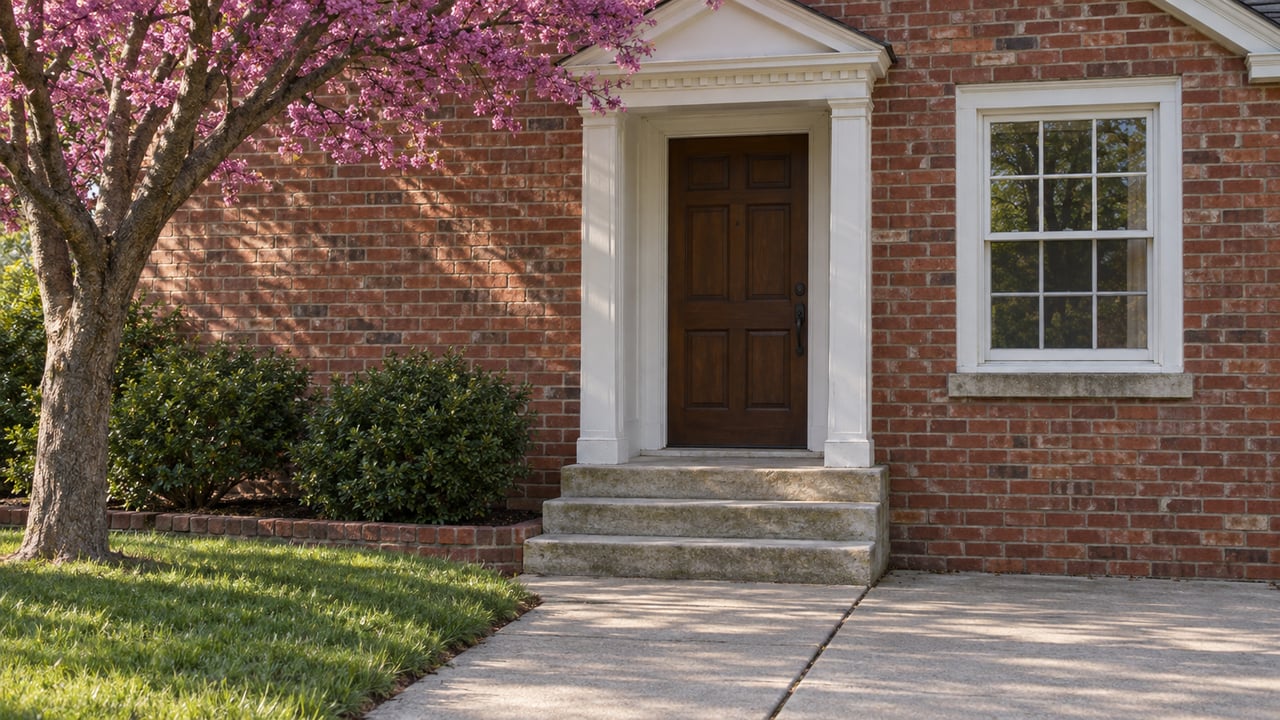
- Curb appeal. Refresh the front door, landscaping, exterior cleaning, lighting, and house numbers. Small changes can reset buyer expectations before they step inside.
- Declutter and deep clean. Remove excess furniture and personal items, neutralize paint where needed, and clean flooring and hard surfaces.
- Kitchen and bath touchups. Update hardware, refresh grout, and modernize lighting. Target modest appliance updates if nearby comps outshine your kitchen.
- Staging and photography. Professional staging shapes flow and light. Quality photography, twilight shots, and virtual tours help your home stand out.
- Larger renovations. Consider only when Clayton comps support the investment and you have the time and budget. High-end projects require careful ROI analysis.
Your agent should coordinate vetted vendors, staging schedules, and shoot dates so the home is show-ready before photography. Keep receipts and permits for any work you complete and plan to disclose unpermitted items per state and local rules.
Pricing strategy and what you receive
Your valuation should conclude with a clear deliverable:
- A prioritized list of 3 to 6 comps that explain adjustments and why each was chosen.
- A reconciled list price range supported by the comps and current market dynamics.
- A recommended strategy that fits your goals. For example, market-matching for predictable time to close, or slightly aggressive to encourage multiple offers when supply is tight.
- Supporting data and notes on days on market, inventory direction, and block or building specifics that matter to buyers.
The right strategy balances accuracy with momentum. It protects your net while maximizing your first two weeks on market, when buyer attention is strongest.
Timeline from valuation to launch
Your launch schedule depends on property readiness, vendor timing, and document collection. Here is what most sellers can expect.
Expedited launch: 1 to 2 weeks
Use this when your home is market-ready or only needs light cleaning and decluttering.
- Initial consult and CMA: 1 to 2 days
- Walkthrough and documentation: same or next day
- Staging and photography: scheduled within 3 to 7 days
- Listing live: once photos and copy are complete
Best for sellers who want a fast launch and accept market pricing.
Standard concierge launch: 2 to 6 weeks
This is the most common path for targeted repairs, cosmetic updates, and staged presentation.
- Initial consult and CMA: 1 to 3 days
- Walkthrough and vendor estimates: within 1 week
- Contractor work and staging prep: 1 to 4 weeks based on scope
- Professional staging and photography: 1 to 3 days
- Listing launch and marketing rollout: 1 to 3 days after photos
This window allows time for multiple bids, HOA document collection for condos, and any needed permit checks.
Renovation or major work: 6+ weeks
For significant projects, the timeline expands. Your agent should re-price and re-photograph when work is complete and advise on seasonality and carrying costs.
Bottlenecks to plan for
- HOA document release. Start early so buyers can review budgets, reserves, rules, and meeting minutes.
- Contractor availability. Use a vetted network and secure bids at or shortly after the valuation visit.
- Permit history. Confirm with the City of Clayton or St. Louis County early if needed.
- Peak-season scheduling. Book staging and photography in advance during busy months.
What you provide as the seller
To keep momentum, prepare these items before photos and launch:
- Recent tax bill and assessment information
- Receipts and warranties for major work
- Past inspection reports, if available, and any surveys or plats
- HOA documents for condos, including rules, budgets, reserves, and minutes
- Completed seller disclosure form
- Keys, alarm codes, and preferred showing instructions
- A clean, decluttered, well-lit home ready for staging and photography
Your next step
A valuation is an informed estimate, not a final number, until your agent completes a physical walkthrough and verifies records. With the right preparation and a focused pricing strategy, you can move from curious to market-ready with confidence. If you value polished presentation, careful stewardship of your home’s story, and a concierge process that handles the details, we are here to help.
Request a private consultation with Samuel Hall to start your Clayton valuation and launch plan.
FAQs
How Clayton condos factor HOA fees into value
- Buyers weigh monthly HOA fees and any known or pending assessments alongside price, finishes, and square footage. Building reserves and management quality also affect perceived value and time to contract.
How historic features influence a Clayton valuation
- Preserved period details like original millwork, hardwoods, and high ceilings can support stronger pricing when paired with functional layouts and updated systems. Documentation of permitted work and recent improvements helps buyers value these features.
Whether to renovate before listing in Clayton
- Target repairs and high-impact cosmetics first. Larger renovations only make sense when recent nearby comps support the investment and you have the time and budget to execute before launch.
What a concierge CMA includes for sellers
- You receive a prioritized comp set with clear adjustments, a reconciled price range, market metrics like inventory and days on market, and a recommended pricing strategy aligned to your goals and timeline.
How long from valuation to live listing in Clayton
- Market-ready homes can launch in 1 to 2 weeks. With targeted prep and staging, plan for 2 to 6 weeks. Major renovations extend the schedule beyond 6 weeks and warrant a re-price on completion.